Embedded Delivery Support - How it works

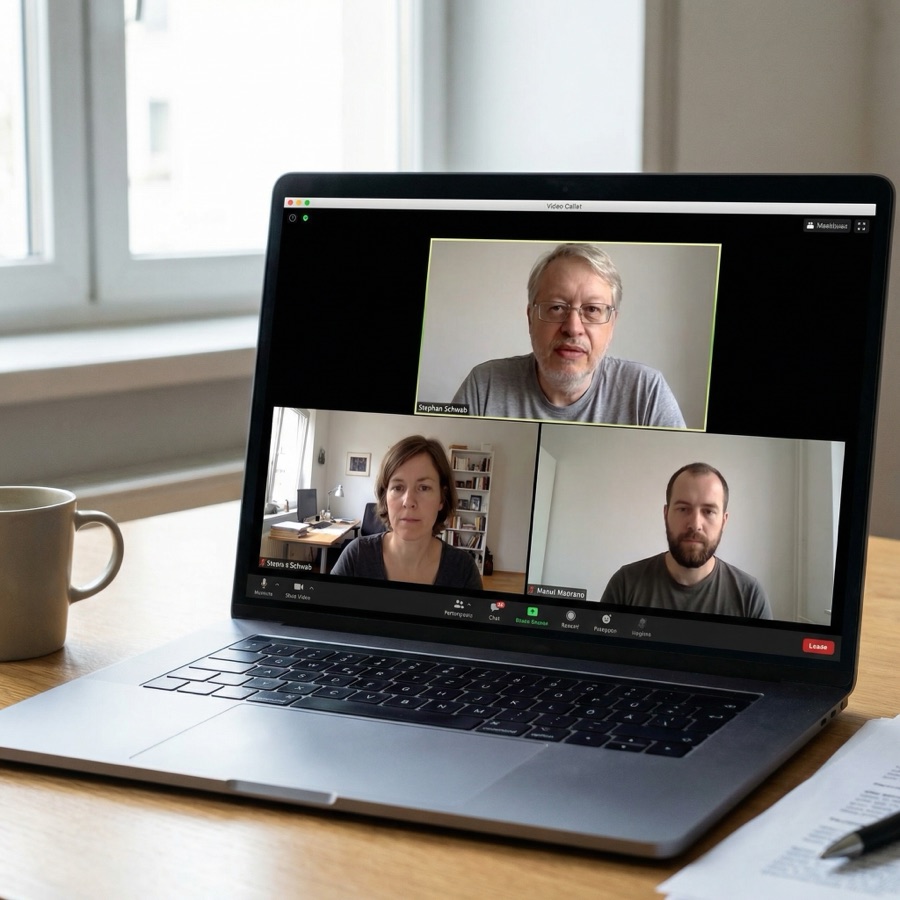
A Developer Advocate engagement begins with a short conversation and then moves quickly into shared visibility and real work. The point is practical support for the people doing the work and for the people responsible for delivery.
The Short Version
- We talk for 30 minutes.
- We choose one of three starting modes.
- We work through that starting mode with the people involved.
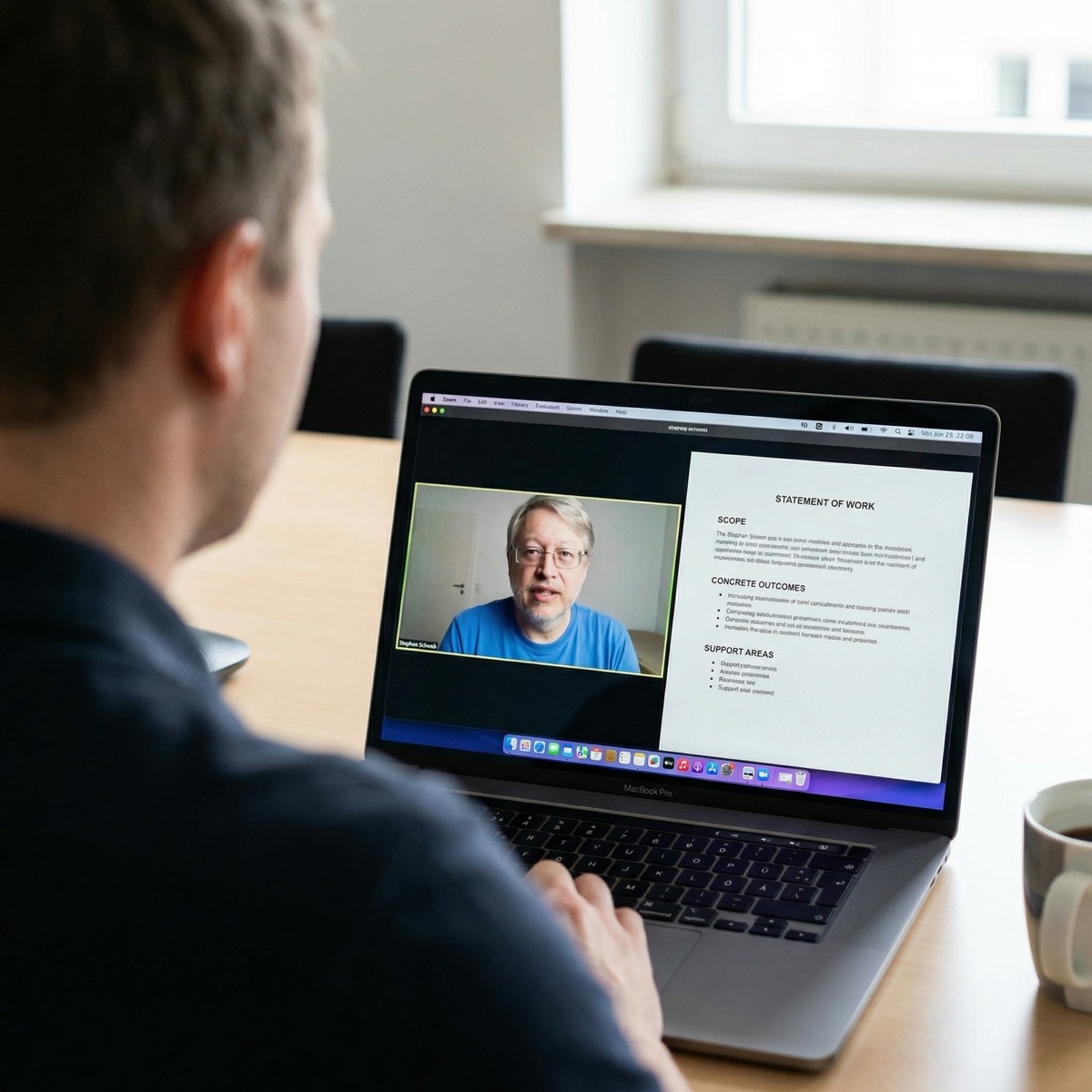
- We create the Statement of Work together with the CTO.
- We join remotely and start working with the people most relevant to the task at hand.
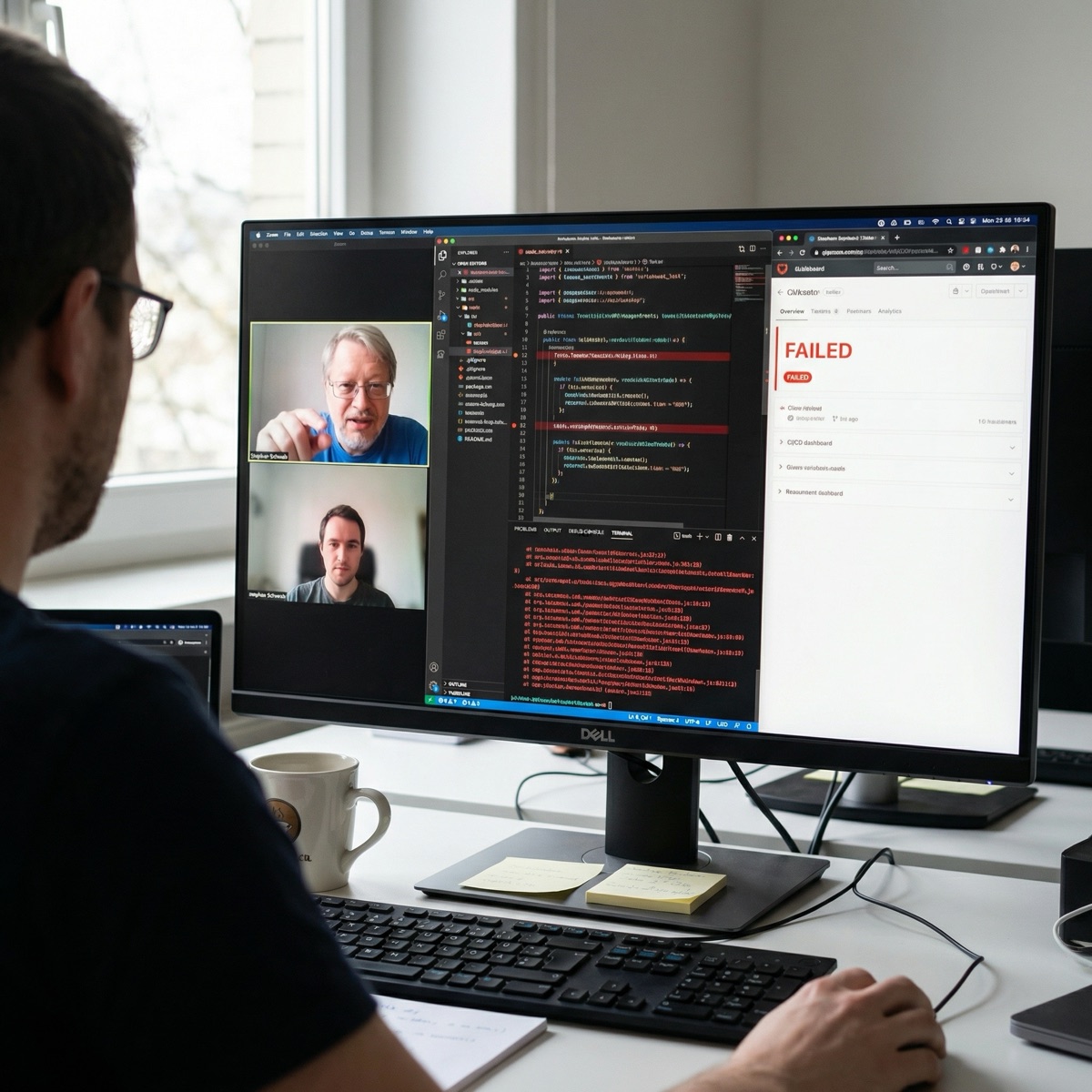
- On day one, we try to help with something real, often by fixing a bug while pairing.
- We step back once the team can carry the improvements without us.
How It Starts
There are three ways to begin. These are options, not a sequence.
Option 1: We Join Directly
Sometimes the right start is to join directly and work closely with the CTO or another relevant person.
The CTO introduces us, lets us look around, and gives us room to work with people directly and pair where it helps.
After a few days, we sit down with the CTO and define the proper Statement of Work together. This is a lower-pressure way to begin, with the CTO staying fully in control of the entry and well informed from the start.
Option 2: We Start with Navigator
Sometimes the right start is four weeks of Navigator, so the people involved can make their own voices heard through normal work.
Navigator replaces tedious interviews with lightweight daily input and a qualitative weekly report people can actually use. The output is not a metrics dashboard or a set of KPIs. It is a qualitative weekly report: patterns, risks, recommendations, and conclusions drawn from what people actually experienced in the work. You can see an example on the Navigator page.
Option 3: We Start with the AI Class
If a team wants to start with AI now, we can do that through the AI-Assisted Development class for a pair of developers.
We do it in their actual codebase, so real questions come up quickly and we talk them through as part of the class. The class still concludes as contracted. If broader support makes sense afterward, the CTO can decide that separately.
Then We Define the Work Together
After one of those three starts, we create the Statement of Work together with the CTO and follow it.
We work for the CTO. That means we keep the CTO informed, not at a distance.
We take notes as we go and share them with the CTO. We show progress against the Statement of Work, and we surface obstacles, risks, and other issues early. The point is simple: the CTO should always know where things stand, what is improving, and what needs attention.
That support helps the CTO stay in charge, stay well informed, and act from a stronger position.
Navigator is our own platform. The Logbook is one product inside it, and we also use the platform to keep the engagement structured and visible instead of relying on scattered email threads, meetings, and consultancy fog.
What Happens When We Start
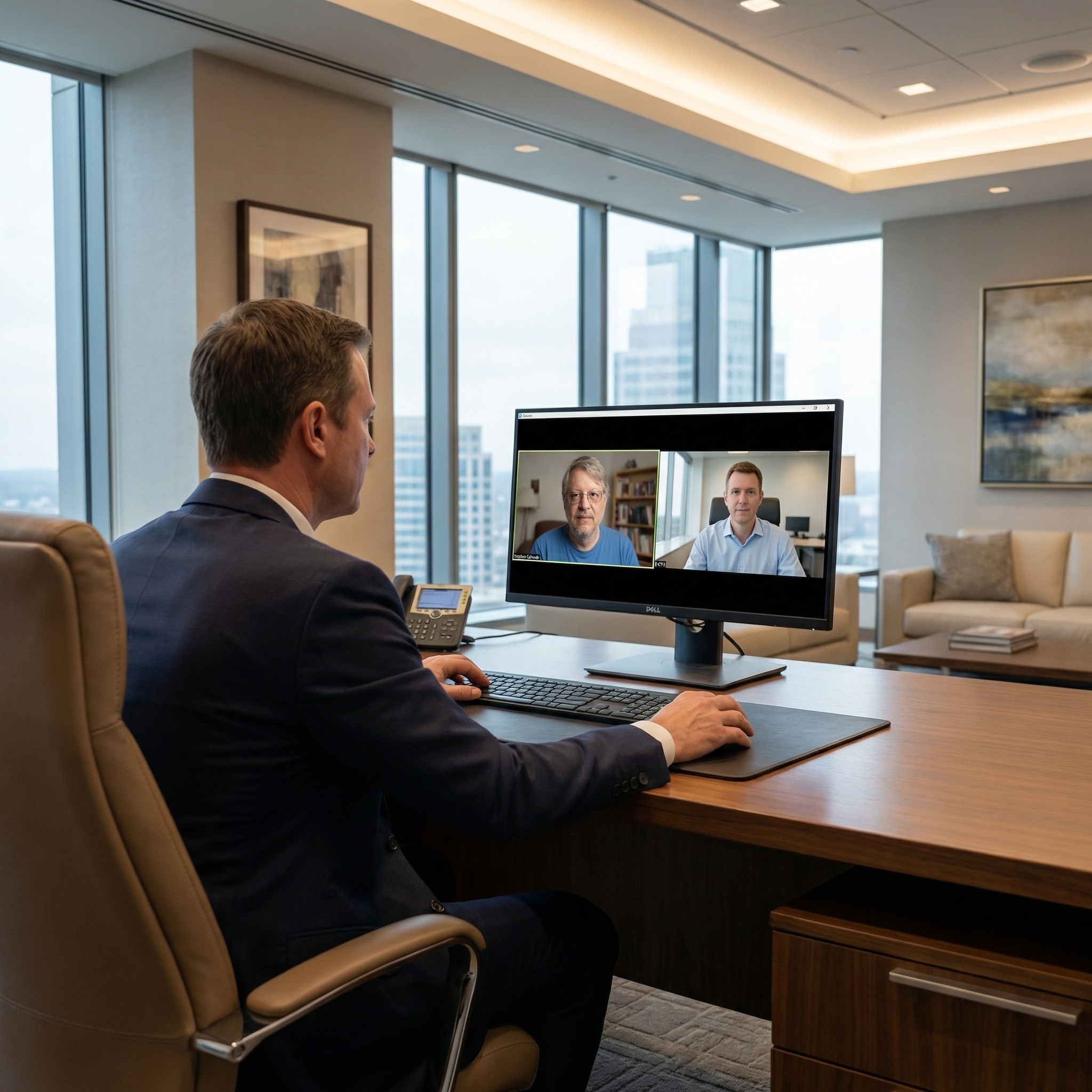
We arrive remotely and get to work.
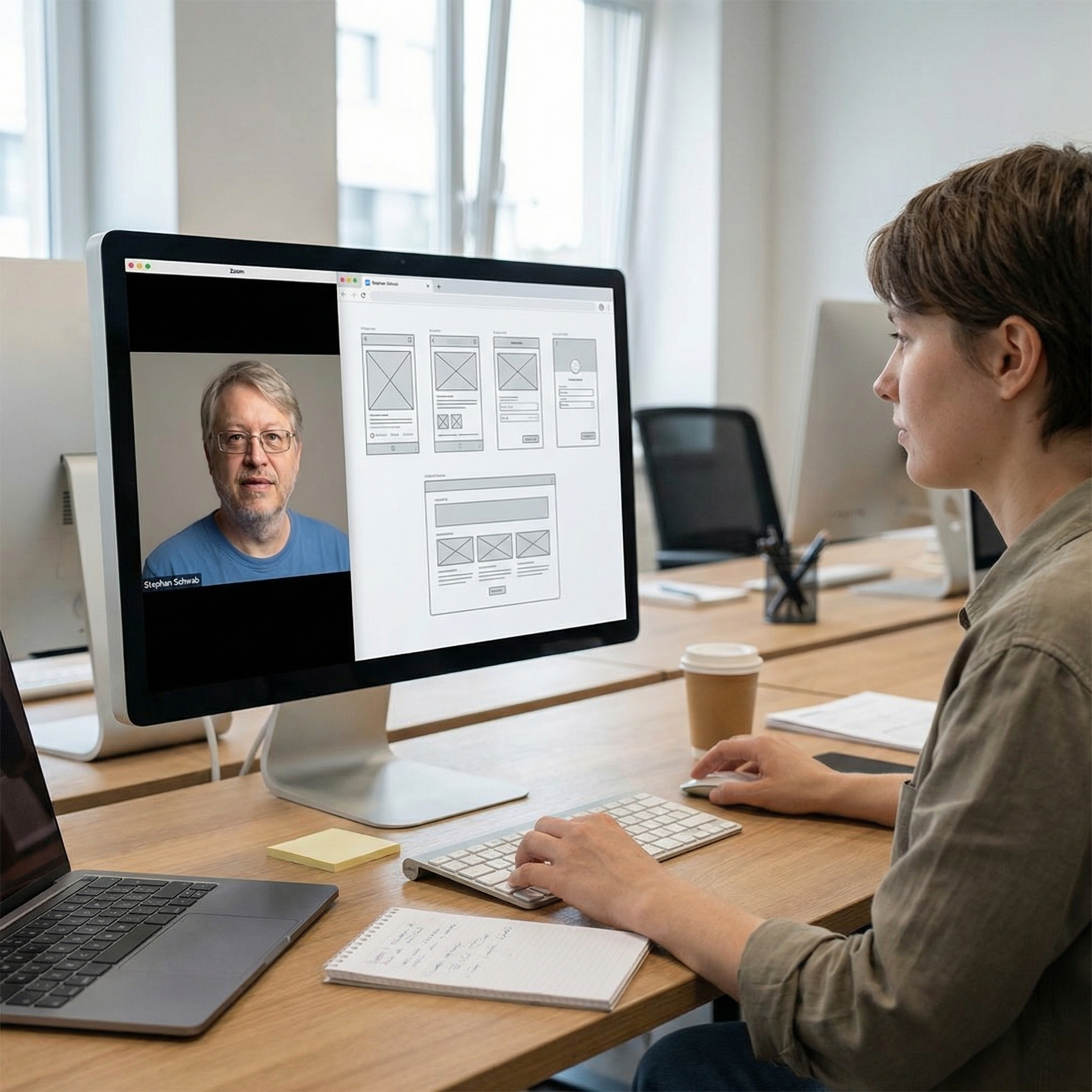
That may mean pairing with a developer, working directly with the CTO, clarifying a decision with the CEO, or collaborating with another role that matters for the task at hand. We start where the real work is.
We work through Navigator, our own platform for running the engagement in a structured way. The Logbook is one part of it. Navigator also handles scheduling, retainers, invoicing, shared notes, and visibility around the work. The normal unit is a half-day block.
Teams usually buy retainers of 10 or 20 half-day blocks for a month. Those blocks are then booked and used as needed. Anyone the CTO wants involved can book time against the retainer and consume the blocks.
Some sessions are one on one. Some involve several people. It depends on the task.
What matters is what happens during those sessions.
We use them for practical work such as:
- pairing with a developer on a real bug or change
- working with the CTO on a delivery decision or technical trade-off
- helping several people unblock a delivery problem together
- reviewing code, tests, or deployment flow in the real system
- turning a repeated source of friction into a concrete next step
Whenever possible, we anchor the first session in something real. A common example is fixing a bug while pairing. That makes the nature of the work clear immediately.
What you will see is support in the work itself. People get help where they are stuck. The CTO stays informed and in charge. The client is never left wondering what is happening, what has been done, or what comes next. Teams get relief from repeated friction. There is no method, no slides, no reporting, and no audit.
Who Needs to Be Involved
A good engagement needs:
- one sponsor, usually the owner, founder, or CTO
- developers ready to collaborate directly in code, tests, and delivery work
- enough access to the real product and delivery path
- agreement that we are here to help delivery, not to play internal politics
That is enough. It does not require a launch event.
How It Ends
The engagement ends when the team can carry the changes without us, delivery is steadier, and the same friction stops returning week after week.

The goal is not dependence. The goal is capability.
Ready to give your team the same future? And yourself the strong position you deserve?
Book a Call