Signal Through Noise
Cutting Through Organizational Chaos — A Berlin Tech Drama
The Story
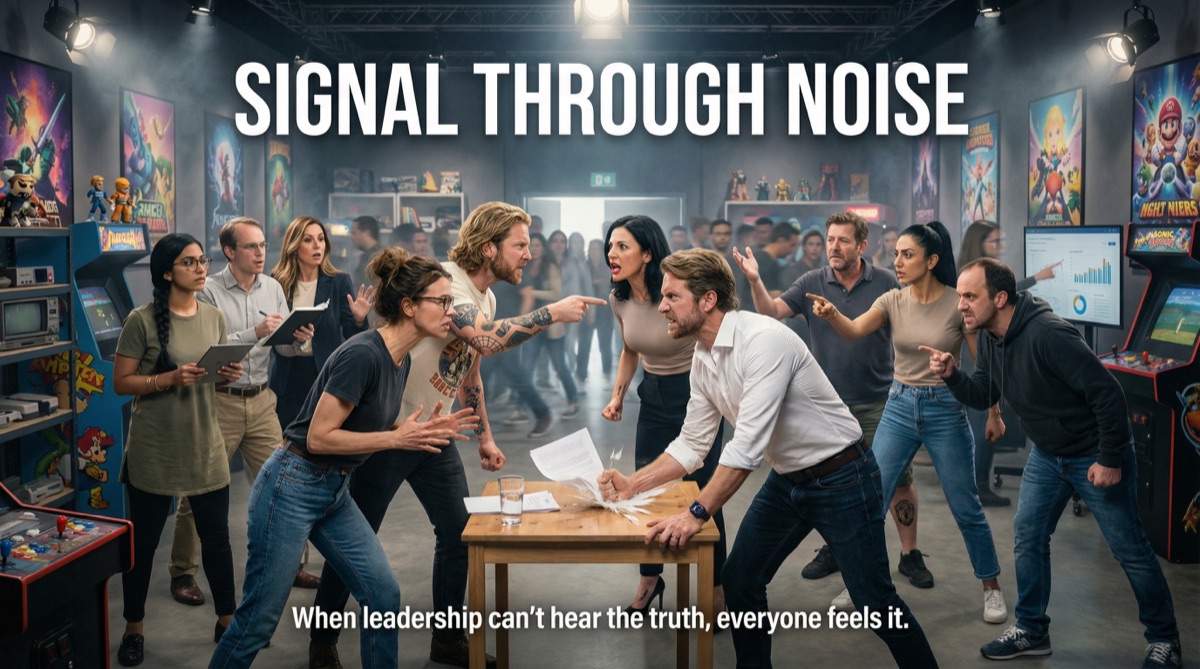
85 people. 147 priorities. Zero clarity.
A Berlin gaming studio post-Series B is drowning in growth chaos. Status meetings produce theater, not truth. Developers burn out in silence. The best engineers quit. And leadership cannot see reality through the noise.
Because the data doesn't lie. But the meetings do.
Read the episodes ↓ New to telenovelas?
Every episode shows Caimito Navigator working inside a real team: developers logging daily, AI synthesizing weekly, leadership making decisions based on evidence instead of opinions.
The weekly synthesis surfaces what status meetings hide: single points of failure, hiring that creates drag, technical debt blocking every priority, burnout becoming impossible to ignore.
What CTOs can expect →Software Development Lessons
Organizational dysfunction isn't invisible — it's hiding in plain sight. Watch how one desperate CTO discovers that reality was always there, buried under status theater and circular blame.
🔥 Burnout Is System Failure Made Visible
Tomasz threatens to quit. Hassan works until 03:00 Friday and returns Saturday. Sofia is asked to teach when she's still learning. Individual exhaustion is never individual — it's the system failing in human form. The organization treats symptoms while ignoring causes.
📊 Status Meetings Are Performance Theater
The all-hands post-mortem reveals nine department leads with nine different versions of reality, none of them true. Blame circulates. Lukas demands answers nobody can provide. Status meetings aren't visibility — they're storytelling competitions where the loudest voice wins.
👁️ Visibility Requires Instrumentation
Katja searches at 02:00 after a meeting devolved into chaos: "How do executives actually know what's happening?" She finds Navigator. Three people start logging. Even with minimal adoption, patterns emerge that status meetings never revealed. You can't manage what you can't see.
⏳ Single Point of Failure Is Invisible Until It Breaks
Hassan mentioned as blocker in 67% of department logs. One person carrying the entire infrastructure. The deployment pipeline fails Friday afternoon. He works alone until 03:00. Mariana discovers six months of unmaintained CI held together by Hassan's knowledge alone. The system was fragile — nobody saw it until it shattered.
💼 Hiring Without Absorption Capacity Is Theater
Lukas announces hiring ten more developers to "go faster." Four juniors start Monday. No onboarding plan, no documentation, no mentorship capacity. Tomasz drowns in interviews instead of coding. The new hires exist in payroll but not in production logs. Headcount isn't delivery velocity.
🧭 Evidence-Based Leadership Starts Small
Katja logs daily while her coffee goes cold. Mariana joins, skeptical but willing. Hassan logs because he wants proof he's drowning. Three people writing truth into the void. The first weekly synthesis arrives: brutal, factual, impossible to ignore. Lukas reads it in silence and asks: "What do we do first?" Real change starts with seeing clearly.
The Characters

Hassan Al-Rashid
DevOps Engineer
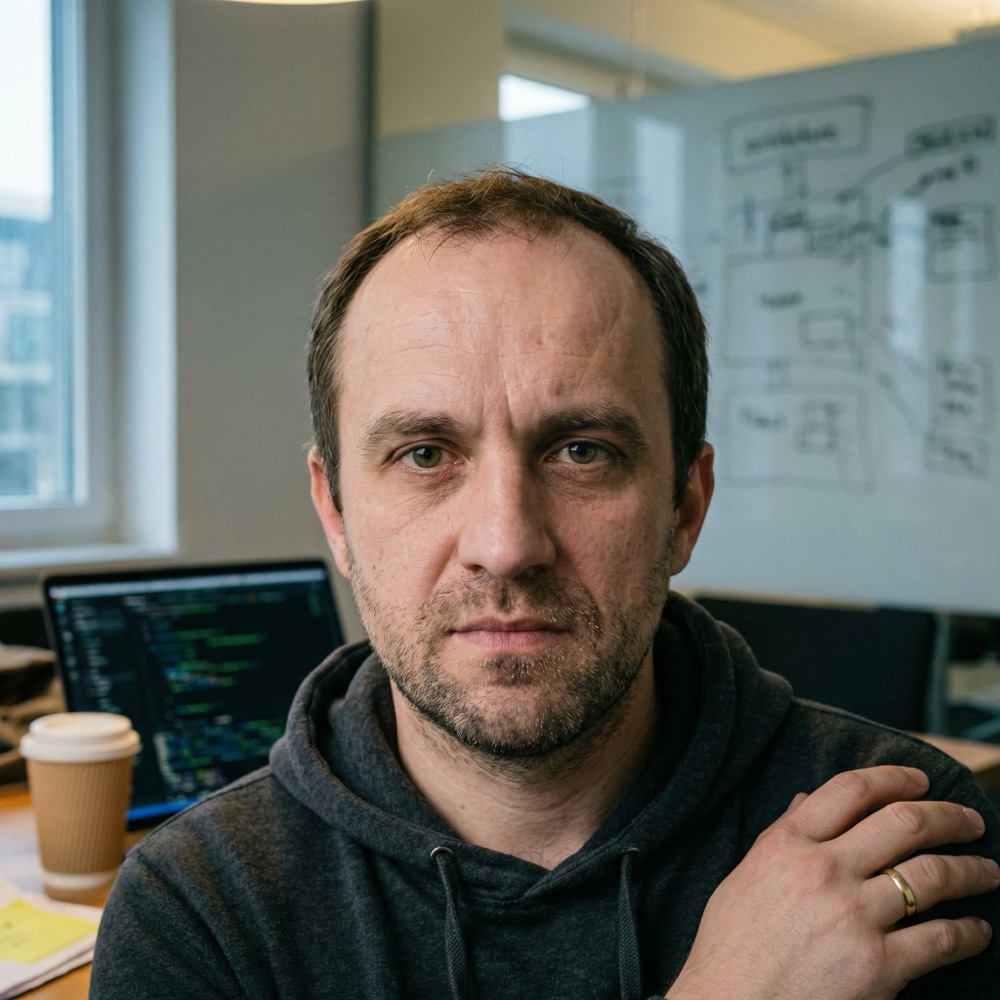
Tomasz Kowalski
Head of Engineering
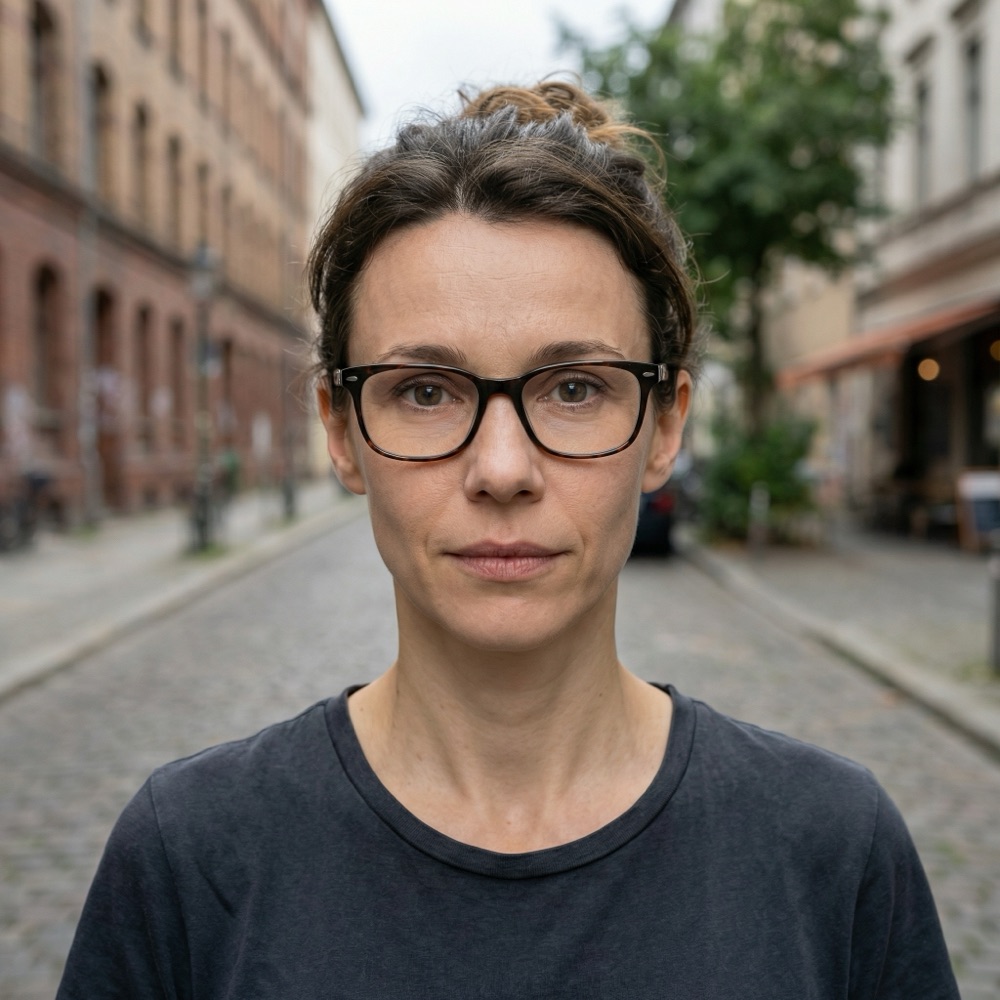
Katja Müller
CTO

Lars Pedersen
Head of Game Design
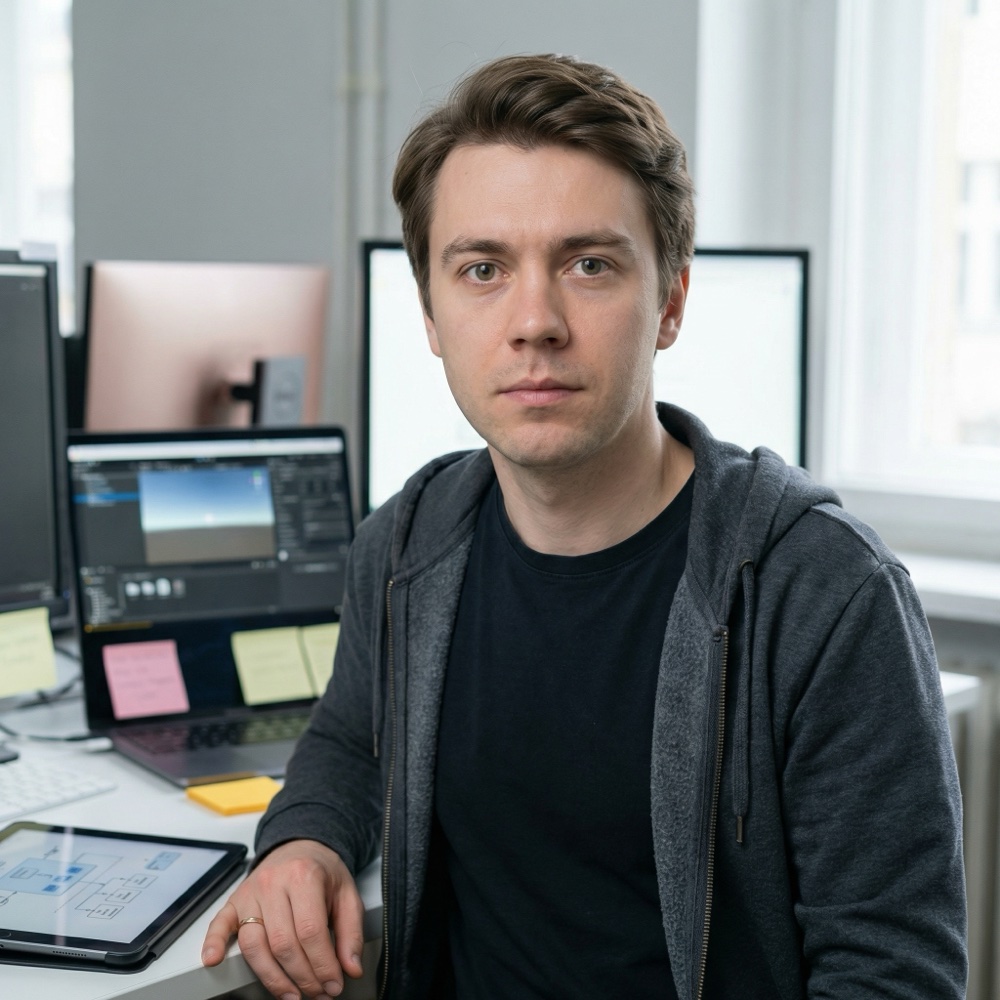
Anton Petrov
Senior Unity Developer

Stefan Richter
Developer Advocate

Claudia Rossi
Head of Marketing & UA

Mariana Santos
Backend Team Lead

Daniel Schmidt
Head of QA

Priya Sharma
Head of Analytics

Marcus Thompson
Head of Player Support

Carmen Vega
Head of Art & Animation
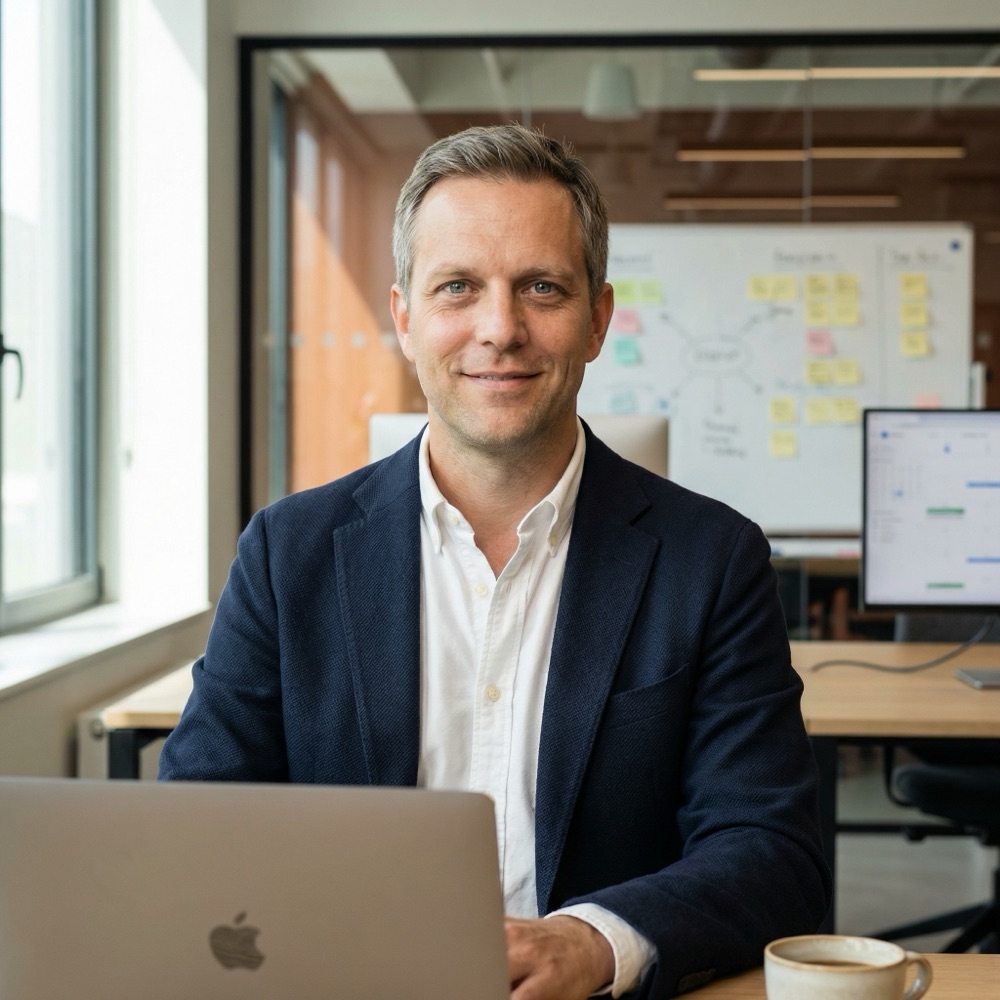
Lukas Weber
CEO

Elif Yılmaz
Head of Live Ops
Episodes
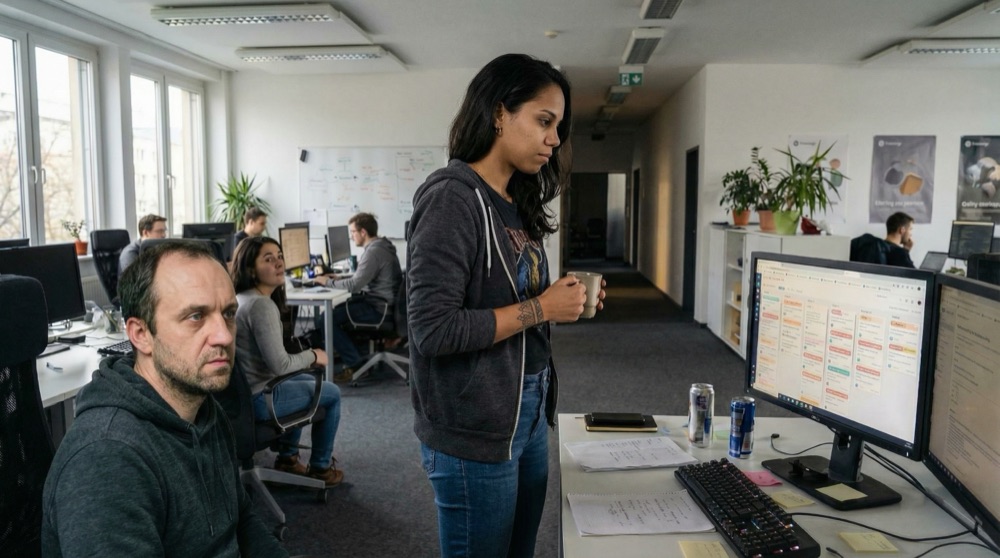
The Crunch That Never Ends
Three months into perpetual crunch, the development team is fracturing. Tomasz threatens to quit if one more feature gets jammed in. Mariana flags ...

When Players Revolt
They fixed the validation bug properly — six hours, no corners cut. But the database migration script Anton wrote Monday night to handle legacy NUL...
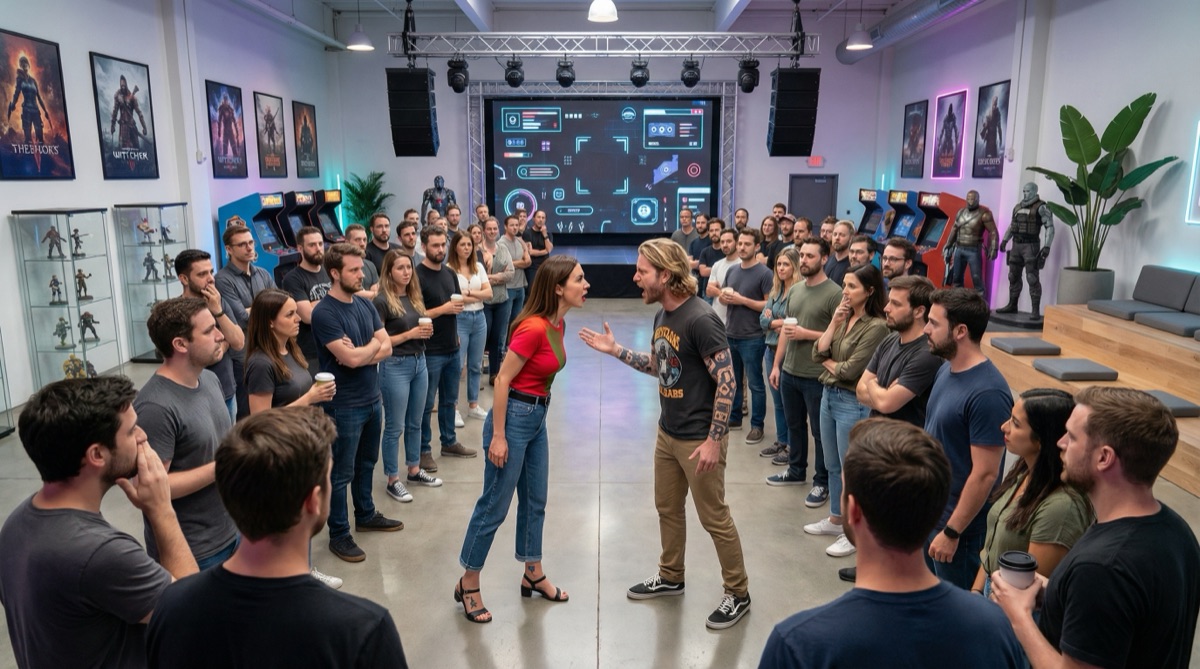
The All-Hands Disaster
The post-mortem meeting turns into a circular firing squad. Nine department leads blame each other while Lukas demands answers nobody can provide. ...

The Slow Adoption
Katja logs daily. Mariana joins, skeptical but curious. Hassan logs because he's tired of being everyone's invisible dependency. Most department le...

The First Synthesis
Katja reads the first weekly synthesis from Navigator and realizes it’s more damning than any angry all-hands: the same blockers appear again and a...

The Expansion
Katja requires all department leads to start logging in Navigator. Elif and Priya adopt immediately. Lars and Carmen resist. The interview circus b...
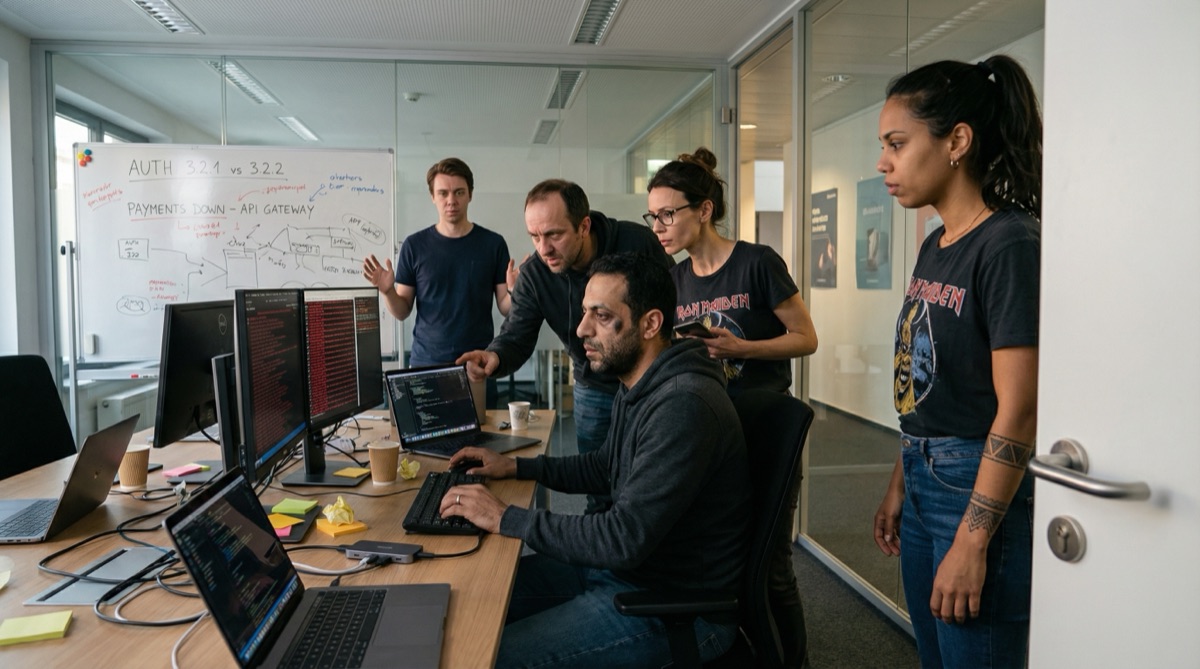
The Infrastructure Crisis
Friday afternoon, 15:47. The deployment pipeline fails during a critical hotfix. Hassan works alone until 03:00. Mariana arrives Saturday morning a...
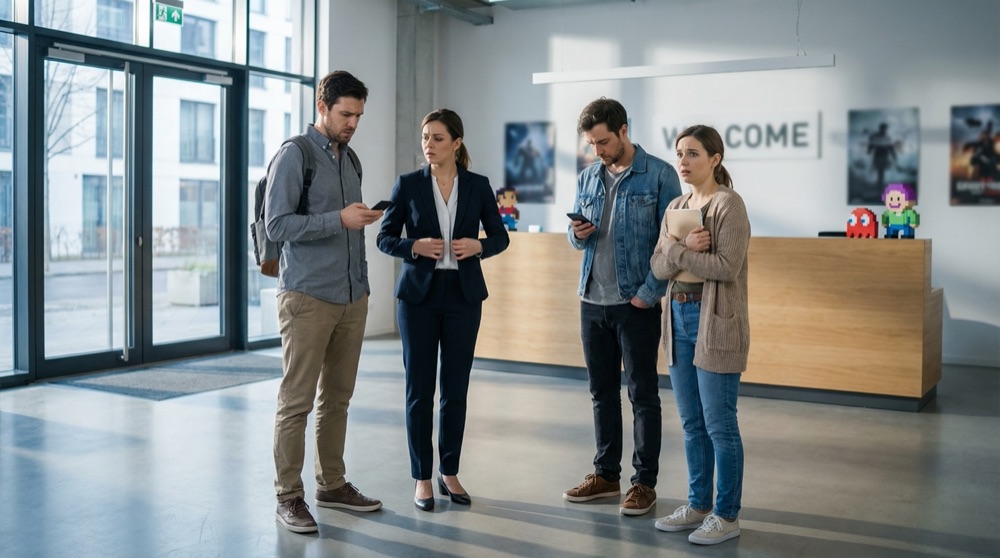
The Onboarding Disaster
Four junior developers start Monday. No onboarding plan, no documentation, no mentorship capacity. Tomasz is assigned as mentor while already drown...

The Backlog Explosion
The product backlog explodes to 147 items with 89 marked high priority. Ayşe Demir, the product manager, tries to impose order but Lukas keeps addi...
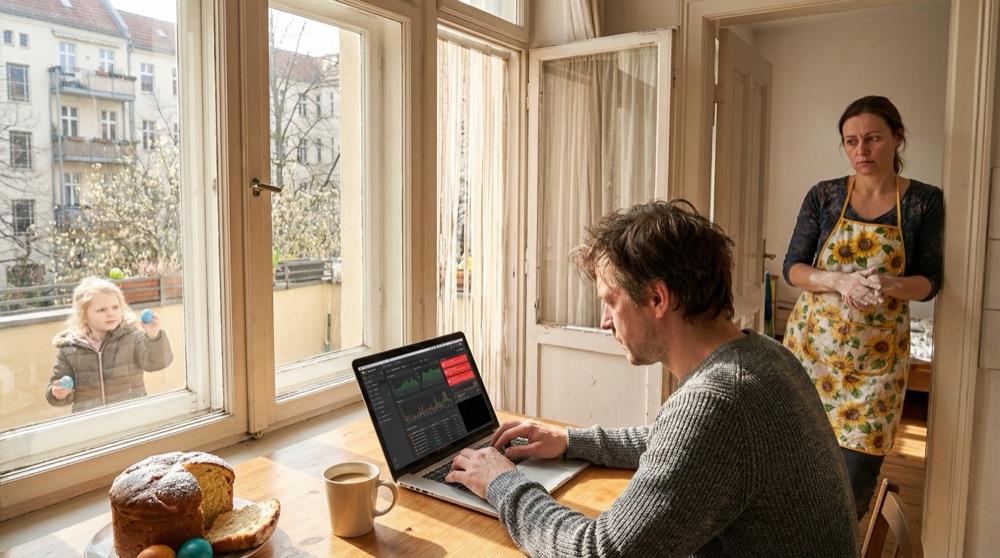
The Technical Debt Reckoning
Easter weekend crushes the remaining team while half the studio is on approved vacation. Anton works Easter Sunday while his daughter hunts eggs in...
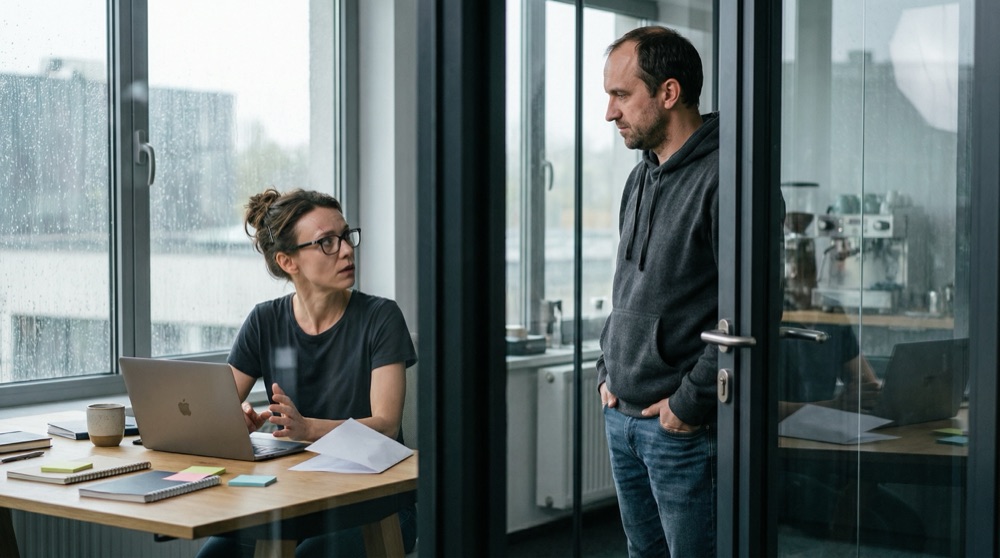
The Breaking Point
Tomasz walks into Katja's office Monday morning and doesn't sit down. Eleven minutes later, everything has changed. He's leaving for a fifteen-pers...
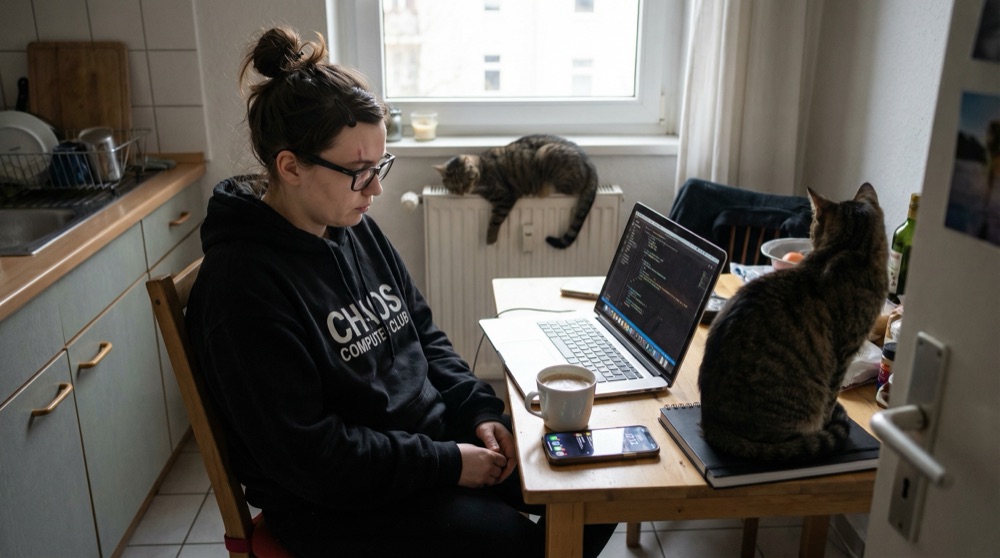
The Search for Help
Katja's network responds within the week. Three different people recommend the same name: Stefan Richter. Developer Advocate. Short engagements. Em...

The Outsider
Stefan Richter arrives at Pixel Spree on a Monday morning in late April. No kickoff meeting. No transformation roadmap. He walks the development fl...
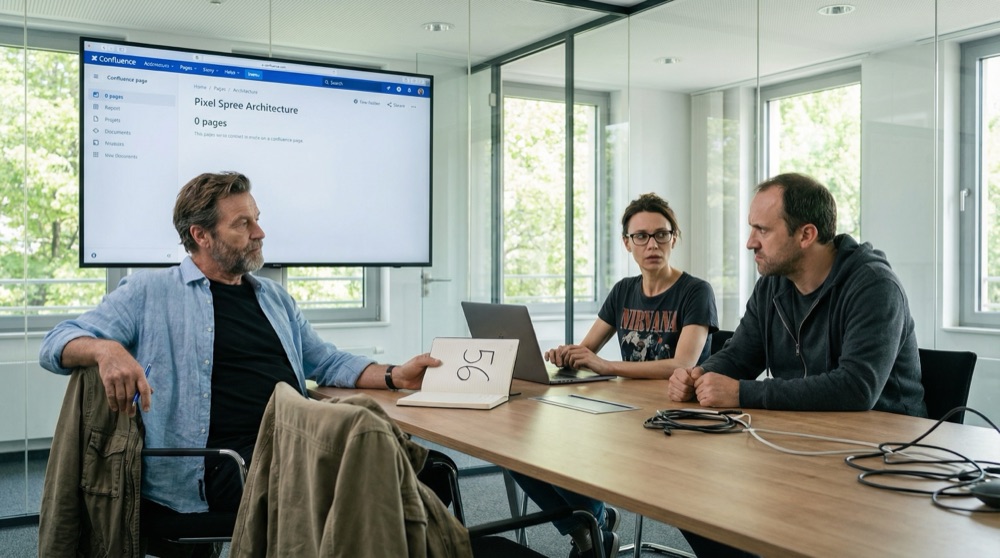
The Documentation That Doesn't Exist
Stefan asks for architecture docs and discovers there are none. He asks for a deployment runbook and gets the same answer: 'Tomasz knows how.' With...

The First Pairing Session
Stefan proposes pairing and, worse, mob programming. The team expects chaos. Daniel fears losing the last lever he still pulls: approval. Mariana e...
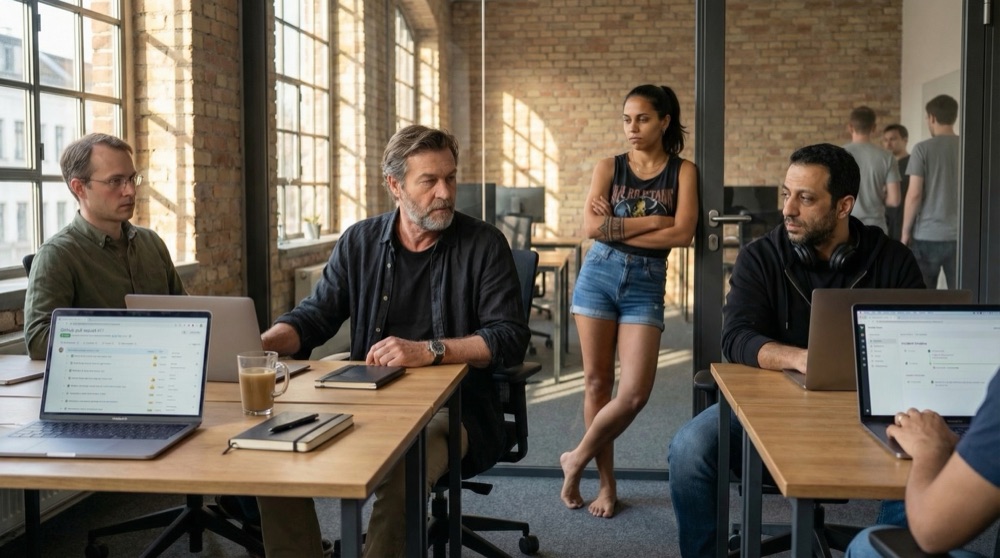
The Code Review That Isn't a Review
Stefan opens three weeks of pull request history and finds approvals that arrived faster than anyone could have read the code. Daniel defends his r...

The Trunk-Based Experiment
Katja puts a new DORA baseline beside Navigator's weekly synthesis and finds the same diagnosis from two directions: long-lived branches, rubber-st...
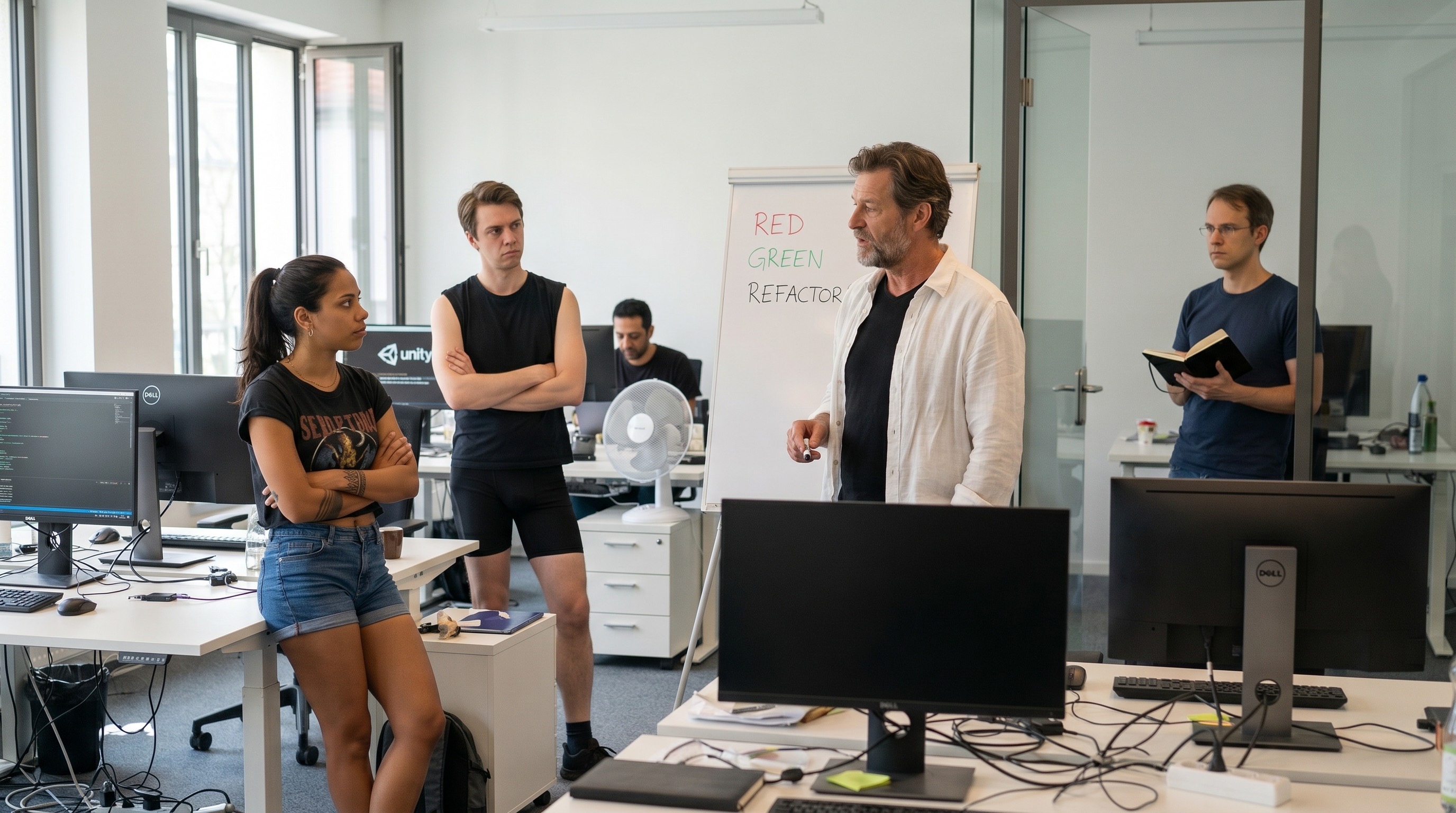
When Tests Become Religion
Stefan introduces test-driven development to Pixel Spree's backend team and gets exactly the reaction he expected: Mariana leans in, Anton calls it...

The Live Ops Disaster
Pixel Spree's summer event launches with no realistic staging environment and no load testing. Hassan's infrastructure cracks under traffic three t...

The Q3 Planning Crisis
Pixel Spree enters Q3 planning under heavy pressure from leadership to deliver ambitious new features. Lukas pushes for aggressive growth targets, ...
The Cost of Speed
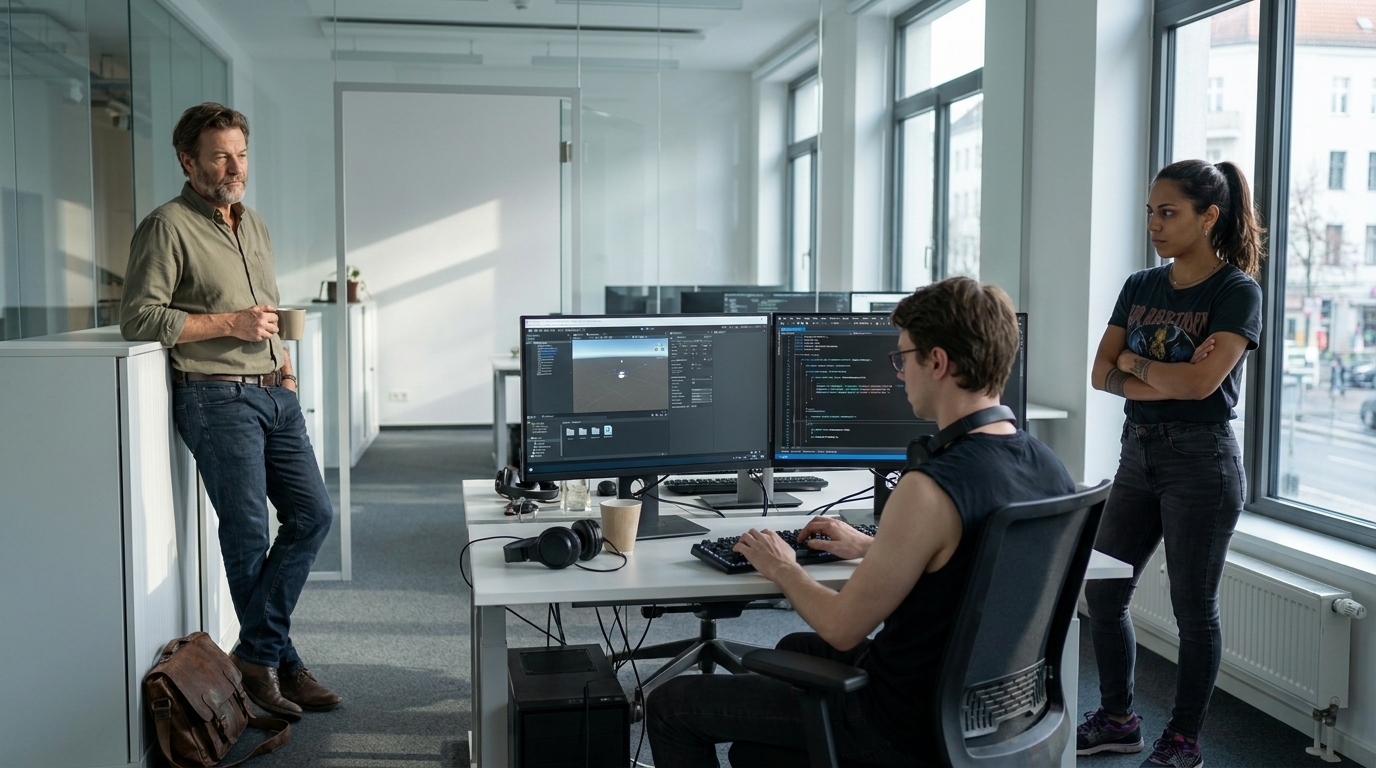
As Q3 kicks off, the pressure to deliver the tournament system mounts. Anton pushes for a fast-and-dirty implementation of the matchmaking UI, argu...
The Load Test Reckoning
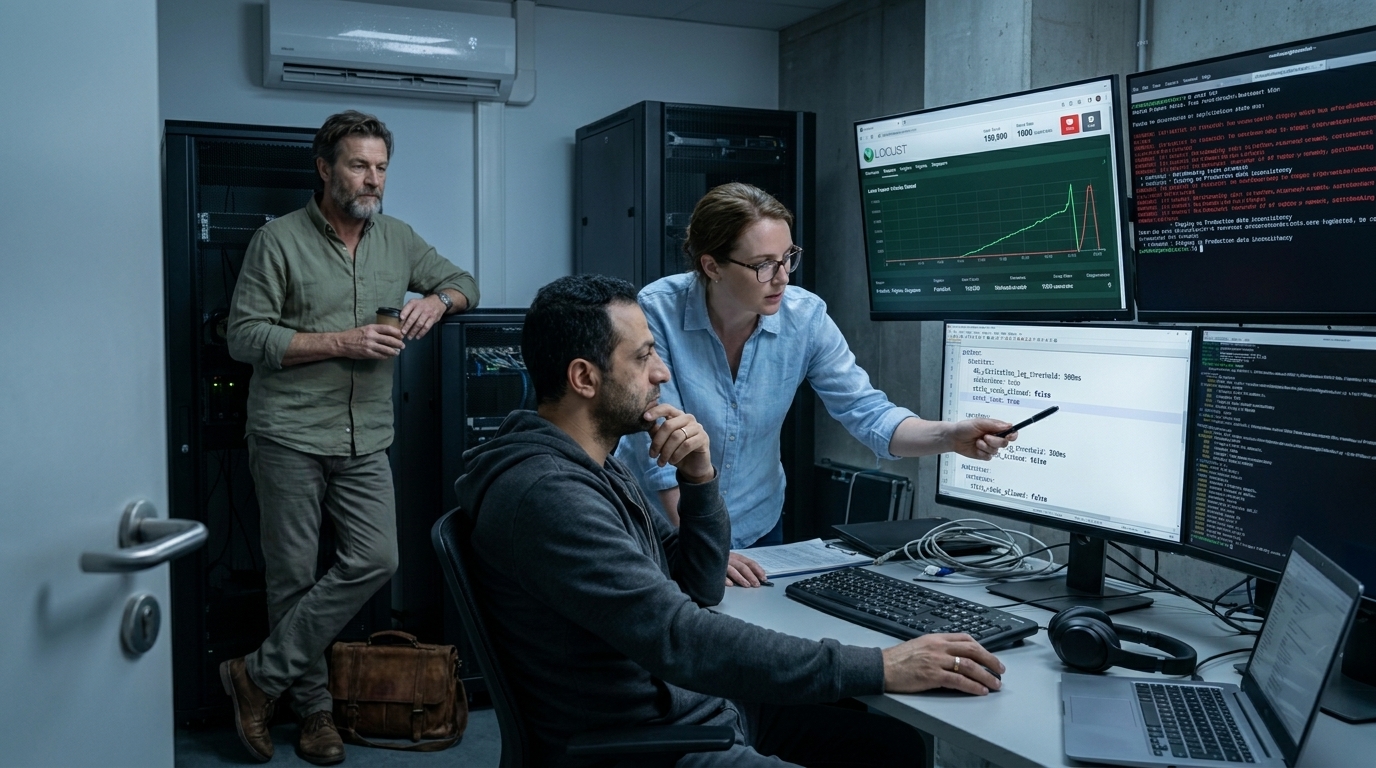
The team runs their first massive load test on the new multi-region staging environment, simulating 150,000 concurrent players. When the database r...

The Production Readiness Review
With the staging environment stable and the database replicas synchronized, the team prepares for the final production readiness review of the tour...

The Live Launch
The tournament system goes live in production for the August event. When a sudden network partition splits the EU and US clusters, the team's new a...
The New Baseline
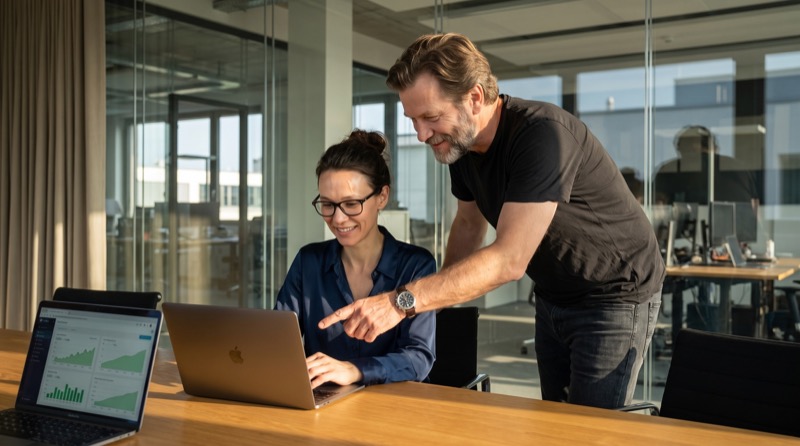
With the tournament system successfully launched and the network partition survived, the team gathers for a Q3 retrospective. Katja and Stefan pres...
About the Story
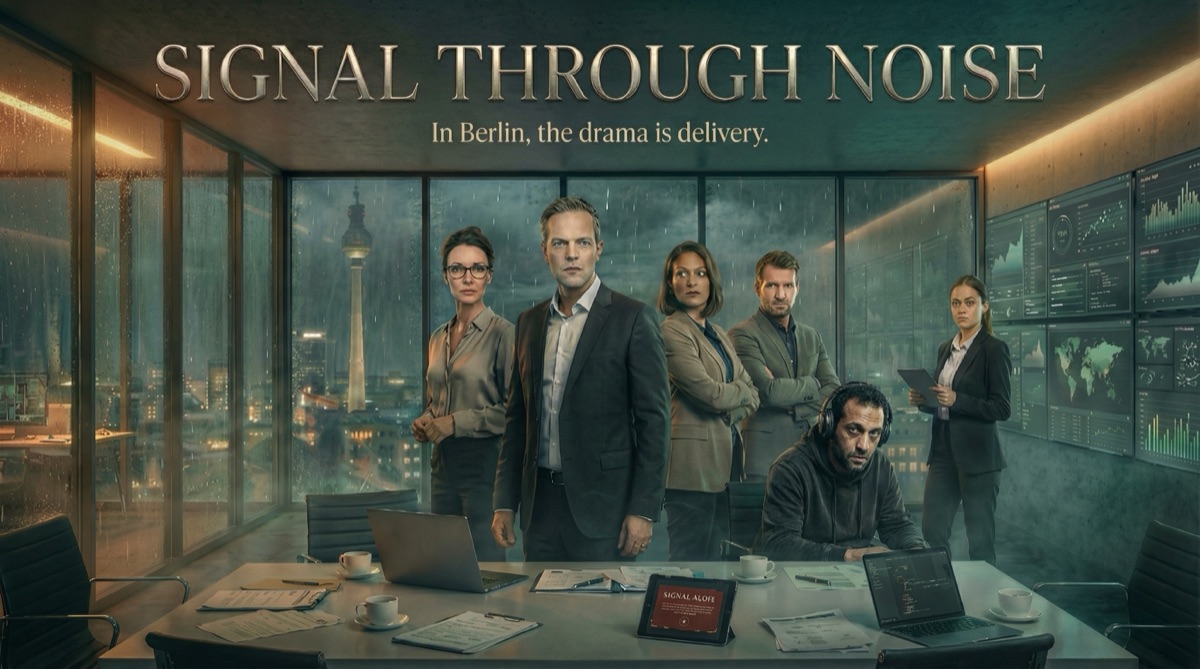
Signal Through Noise is episodic reality — 32 weekly snapshots of life at a Berlin gaming studio dealing with growth chaos, cultural collision, and delivery dysfunction.
Unlike traditional telenovelas built on romantic drama, we’re exploring organizational dysfunction, personal burnout, and professional struggles. The stakes are: Will they ship on time? Will Hassan burn out? Can they fix deployment before another disaster?
Set in Berlin during summer 2026, the series features an international team — Germans, Polish, Turkish, Spanish, Brazilian developers — navigating the messy reality of scaling a mobile gaming company post-Series B funding.
Each episode shows Navigator in action: daily logs aggregated into weekly synthesis, patterns emerging across departments, evidence replacing opinions, and a leadership team learning to distinguish signal from noise.
The drama is organizational. The recovery is evidence-based. The capability transfer is real.
Fan Gallery
Character portraits and exclusive artwork
🎬 Promotional Art