🎭 Understanding Telenovelas
A Latin American Cultural Phenomenon That Shapes Hearts, Minds, and Societies
Telenovelas aren't just TV shows. They're a way of life in Latin America. They're the stories that bring families together after dinner, spark neighborhood debates, and even influence how people talk about real-world issues. If you're coming from outside this region, you might see them as overdramatic soap operas, but that's missing the point entirely.
What Exactly Are Telenovelas?
Telenovelas are serialized dramas that originated in Latin America in the 1950s, evolving from radio soap operas. Unlike American soaps that can run for decades, telenovelas have finite story arcs, typically 120-180 episodes that air 5 days a week for 4-6 months. They always end with a definitive conclusion, often with the triumph of good over evil, love conquering all obstacles, or some bittersweet resolution that leaves you thinking.
The name comes from "tele" (television) and "novela" (novel), and they're designed to be addictive: cliffhangers every episode, emotional rollercoasters, and characters you love to hate (or hate to love).
The Raw Emotional Intensity: Explicit Content in Telenovelas
Telenovelas are known for their raw, unfiltered emotional intensity that might shock viewers from other cultural backgrounds. This includes explicit depictions of passion, violence, betrayal, and human vulnerability that go far beyond what most Western television shows would include. Characters curse when angry, physical confrontations are visceral, romantic tension crackles with genuine heat, and the stakes feel brutally real.
This explicitness serves several crucial purposes in the telenovela format. First, it mirrors the passionate, high-stakes nature of Latin American life itself — where emotions run hot, social hierarchies are rigid yet fluid, and survival often depends on raw instinct and cunning. Telenovelas don't sanitize these realities; they amplify them to create emotional catharsis for viewers who live similar intensities every day.
Second, the explicit content drives the addictive narrative engine. Raw sexual tension, explosive confrontations, and moral ambiguity keep viewers hooked through the long episode runs. When a character finally explodes in rage or gives in to forbidden passion, it provides the emotional release that makes the format so compelling.
Third, these elements serve as social commentary. Explicit depictions of domestic violence, sexual assault, corruption, and social injustice force viewers to confront uncomfortable truths about their society. The rawness makes the message impossible to ignore — telenovelas don't whisper about problems; they scream them from the rooftops.
In our software delivery telenovelas, we include very explicit scenes to stay true to the genre. Characters swear, fight, and love with the same unbridled passion you'd find in any authentic Latin American production. This might feel shocking if you're used to more restrained storytelling, but it's essential for capturing the genre's emotional truth and cultural authenticity.
The Cultural Heart of Latin America
In Latin America, telenovelas are more than entertainment. They're cultural institutions. Here's why they matter so much:
- Family Bonding: Dinner time revolves around "What's happening in the novela tonight?" Families discuss plot twists, debate character motivations, and share emotional reactions. It's the Latin American version of water cooler talk, but it happens at home, across generations.
- Social Commentary: Telenovelas tackle real issues: domestic violence, corruption, class inequality, immigration, LGBTQ+ rights, and more. They educate and provoke discussion in ways that documentaries never could. When "Sin senos no hay paraíso" addressed plastic surgery culture and narco influence, it sparked national debates in Colombia.
- Language and Identity: They shape language, values, and self-perception across Latin America. Colombian telenovelas influenced the region's accent and slang; Mexican ones educated viewers about indigenous cultures. Argentine productions introduced psychological complexity that challenged traditional melodrama.
- Export Success: Latin American telenovelas have conquered the world. Brazilian "O Clone" sparked debates about cloning ethics globally. Colombian "Betty la Fea" became "Ugly Betty" in the US and inspired empowerment movements. Turkish and Korean dramas now follow the telenovela formula that Latin America perfected.
- Economic Engine: The telenovela industry employs thousands of actors, writers, directors, and crew. It drives tourism to filming locations, sells merchandise, and generates billions in advertising revenue. For many Latin American countries, telenovelas are a significant cultural export.
Regional Styles: The Diversity of Our Storytelling
Just as Latin America is incredibly diverse, so are Latin American telenovelas. Each country has its own flavor, influenced by history, culture, and national character:
Mexican Telenovelas: Epic Sagas of Love and Power
Mexico produces the most telenovelas worldwide. Think grand productions with lavish sets, orchestral scores, and stories that span generations. Themes often revolve around family dynasties, forbidden love, and the struggle between tradition and modernity. Shows like "María la del Barrio" or "La Usurpadora" are legendary for their dramatic twists and moral lessons.
Colombian Telenovelas: Urban Realism with Heart
Colombia focuses on contemporary urban life, career women, modern relationships, and social mobility. Colombian stories are more grounded, dealing with real issues like drug cartels, political corruption, and economic inequality. "Betty la Fea" showed how intelligence and character triumph over appearance. Colombian telenovelas often have faster pacing and more dialogue-driven plots.
Venezuelan Telenovelas: Passionate and Melodramatic
Venezuela pioneered the modern telenovela format. Known for intense emotional depth, complex character arcs, and beautiful cinematography. Stories often explore psychological themes, family secrets, and redemption. Venezuelan productions like "Kassandra" or "La Mujer de Judas" are famous for their high production values and star power.
Brazilian Telenovelas: Social Issues and Innovation
Brazilian "novelas" (they call them that) are longer and more ambitious, often running 150-200 episodes. They tackle heavy social issues like racism, poverty, and environmental destruction, but always with hope and human resilience. Brazilian telenovelas like "Cidade de Deus" adaptations or "O Clone" blend drama with social commentary.
Argentine Telenovelas: Witty and Urban
Argentina brings European influences with sharp wit, intellectual themes, and urban sophistication. Stories often feature complex psychological dramas, social satire, and explorations of identity. Argentine productions like "Sos mi hombre" combine romance with social critique.
Other Regional Flavors
Peruvian telenovelas often incorporate indigenous cultures and Andean mysticism. Chilean ones focus on family dynamics and social class. Ecuadorian stories emphasize rural-urban migration. Each country adds its unique spice to the formula.
Why This Format Works for Software Stories
When we decided to use telenovelas to teach software delivery, it wasn't arbitrary. Software development is fundamentally human, filled with interpersonal conflicts, power struggles, emotional decisions, and the constant tension between what we know and what we feel.
Telenovelas excel at showing:
- Character Development: Just as developers grow through challenges, telenovela characters evolve through their journeys
- Systemic Issues: Technical debt, organizational dysfunction, and cultural problems manifest as family secrets or corporate intrigue
- Emotional Truths: The frustration of failed deployments, the excitement of breakthroughs, the betrayal of broken promises
- Redemption Arcs: Teams that transform, leaders who learn, systems that improve
By using this familiar format, we make complex technical concepts memorable and emotionally resonant. You don't just learn about CI/CD. You feel the pain of manual deployments and the joy of automated success.
The Universal Appeal
While telenovelas are Latin American by birth, their format has universal appeal. The same dramatic structure that captivates millions in Mexico works in Germany, Japan, and beyond. Why? Because human stories are human stories everywhere.
If you're new to telenovelas, approach them with an open mind. They're not "guilty pleasures." They're sophisticated storytelling that combines entertainment with insight. And who knows? You might find yourself hooked on our software delivery dramas.
Welcome to the world of telenovelas. It's not just TV. It's life, amplified.
🎭 This Week's Episodes
Telenovelas show what we can't say in client meetings. The drama is heightened, but the patterns are real.
 Arrival
Stefan Richter arrives in São Paulo with a 90-day contract to fix delivery at AutoConnect Brasil. He finds 90 developers, 18 months of chaos, and a...
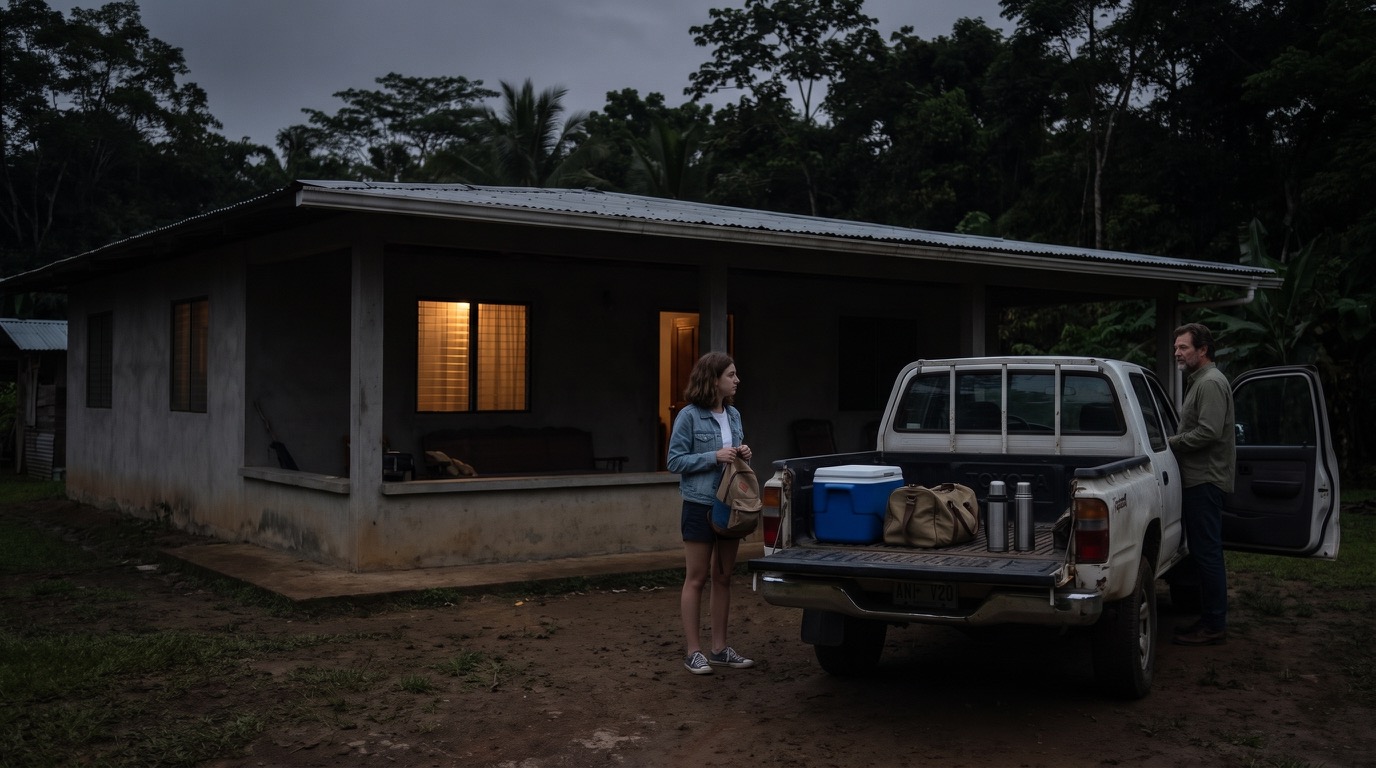 What Is Offered First
The day before Sophie flies back to Berlin, Mateo takes them to Kuna Yala. The road climbs from the Chepo side into the mountains, the Caribbean ap...
 Collapse
Year-end arrives with the force of something everyone has been preparing not to name. A critical COBOL tax-calculation path fails on an undocumente...
Technical Consultancy
Embedded Delivery Partner
Embedded into your team as an active contributor, reducing delivery friction and helping important work move cleanly.
Technical Advisor
Peer-style technical assessments before far-reaching decisions; reduce architectural and product risk early.
Product & Delivery
Ship working software to real users earlier. Measure impact and adapt based on evidence rather than assumption.
Custom Software Development
High quality, maintainable software. Short-term augmentation that leaves lasting capability in your own team.
Recent Articles
- The LLM Will Not Come Back Tomorrow (19.09.2026)
- The One-Person AI Company Is a Greed Fantasy (15.09.2026)
- Test Production Without Leaving a Mess (10.09.2026)
- Software Will Fail. Recovery Is the Real Metric (05.09.2026)
- Stop Outsourcing Your Product Language (01.09.2026)