A Cultural Interlude
Three Weeks in Panama
Between Berlin and São Paulo, Stefan Richter goes home. This is the Panama he never mentions on a video call — and the three weeks his daughter finally saw it.
A short story told through Sophie Richter's eyes. July – August 2026.
The breath between two storms. No clients, no frameworks, no dysfunction — just the country Stefan calls home.
A cultural piece, not a telenovela. The drama lives in the series on either side of this one. Here there is only a country — its heat, its horses, its food, its people — and a father seen clearly for the first time.
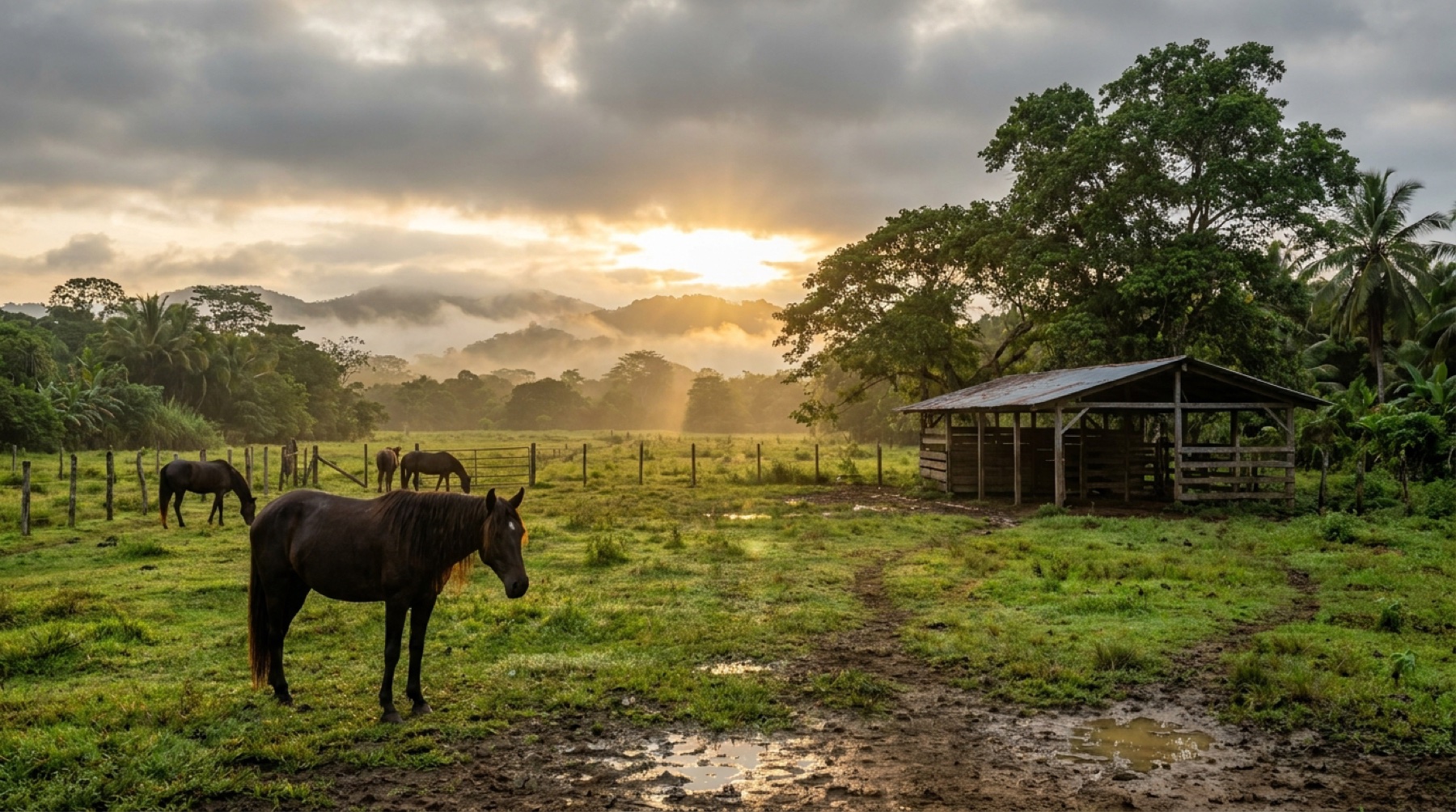
Stefan's Panama
Readers meet Stefan Richter as the Developer Advocate who walks into broken companies and tells uncomfortable truths — corrupt CFOs in Bogotá, framework wars in Mexico City, a gaming studio drowning in its own status meetings in Berlin. They know what he does. They don't know where he goes when the engagement ends.
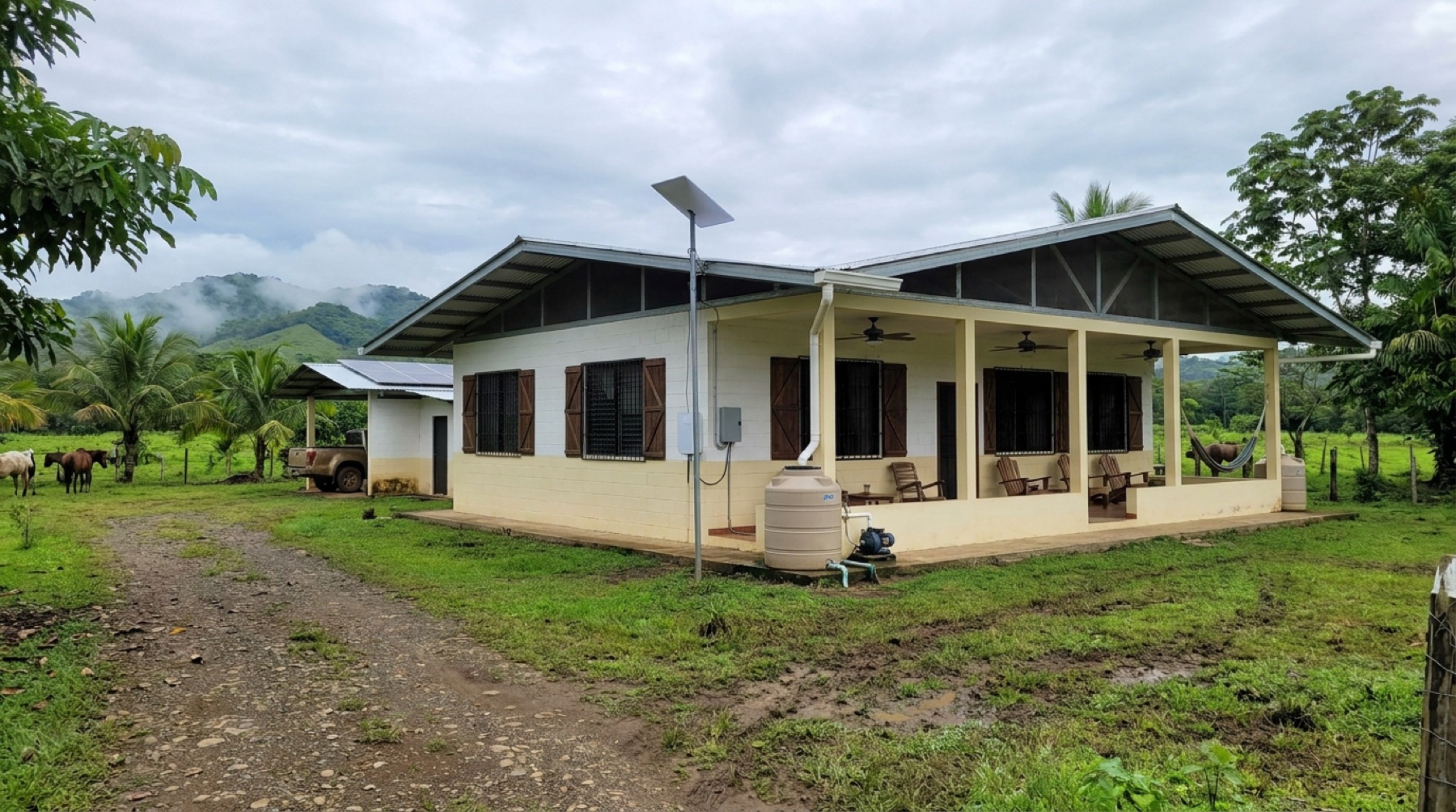
He goes here. A small finca near Chepo, east of Panama City, where he keeps Peruvian Paso horses. A caretaker named Esteban maintains the property while Stefan travels. A housekeeper named Rosa comes twice a week, scolds him for living like a bachelor, and leaves meals in the refrigerator. His phone lock screen shows a seven-year-old girl on a swing in a Berlin park. He's never changed it. The girl is sixteen now.
This is the country between the Berlin engagement and the São Paulo one — and the story of what happens when that girl finally visits.
The Story
Sophie Richter flies from Berlin to Panama in late July 2026. It's her first trip outside Europe. Her first time seeing where her father actually lives. Her first time alone with him without her mother's apartment walls defining the space between them.
Three weeks follow. Sophie learns to ride horses from a young Panamanian woman named Valentina who treats her like a capable person, not a child. She eats food she can't pronounce and asks for more. She jumps into a jungle waterfall and surfaces screaming. She sits at a wealthy rancher's dinner table and watches indigenous women serve the meal in silence, and stores that observation somewhere it will grow.
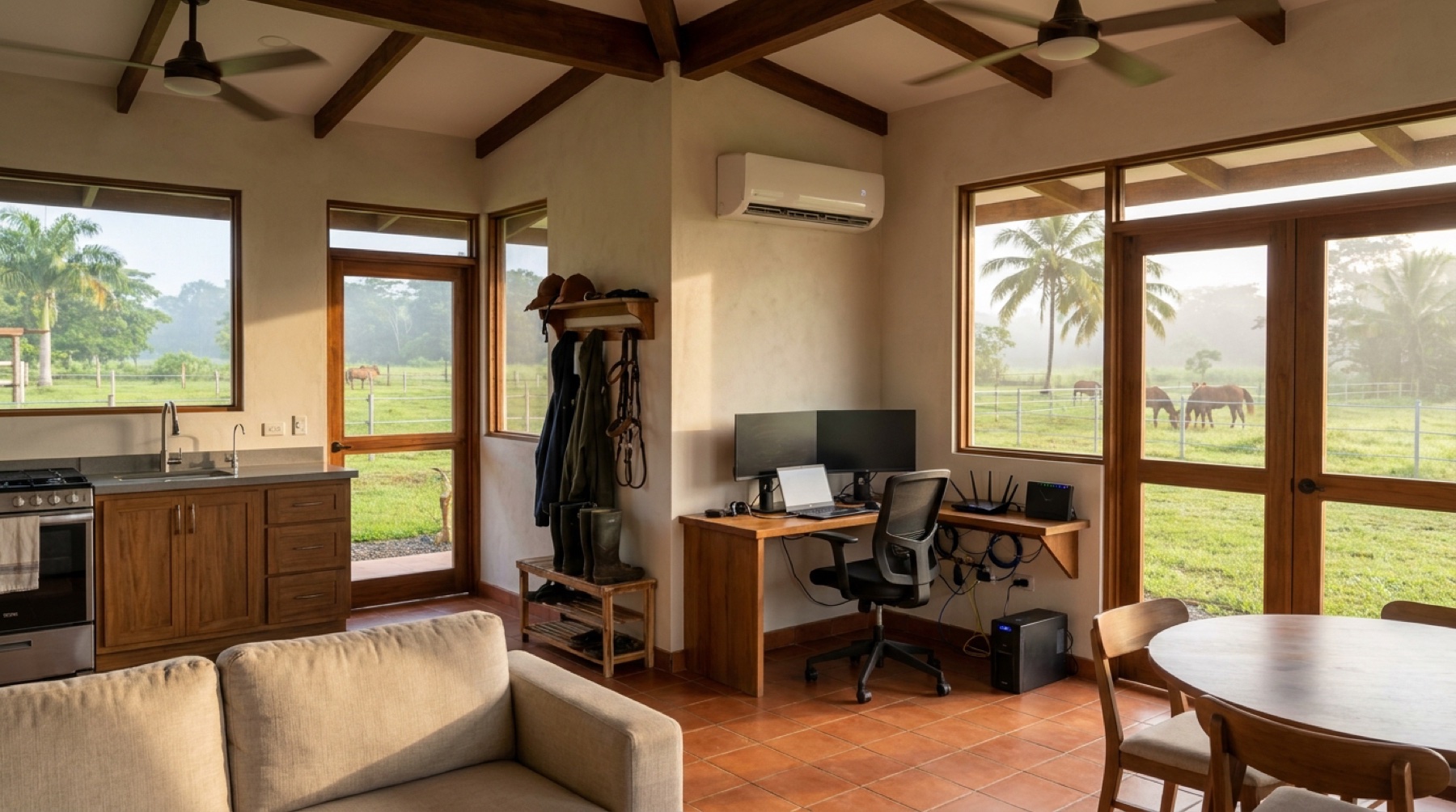
She watches her father code during rain days and decides she wants to study computer science. Not because he pushed her. Because she watched him work and thought: I could do this.
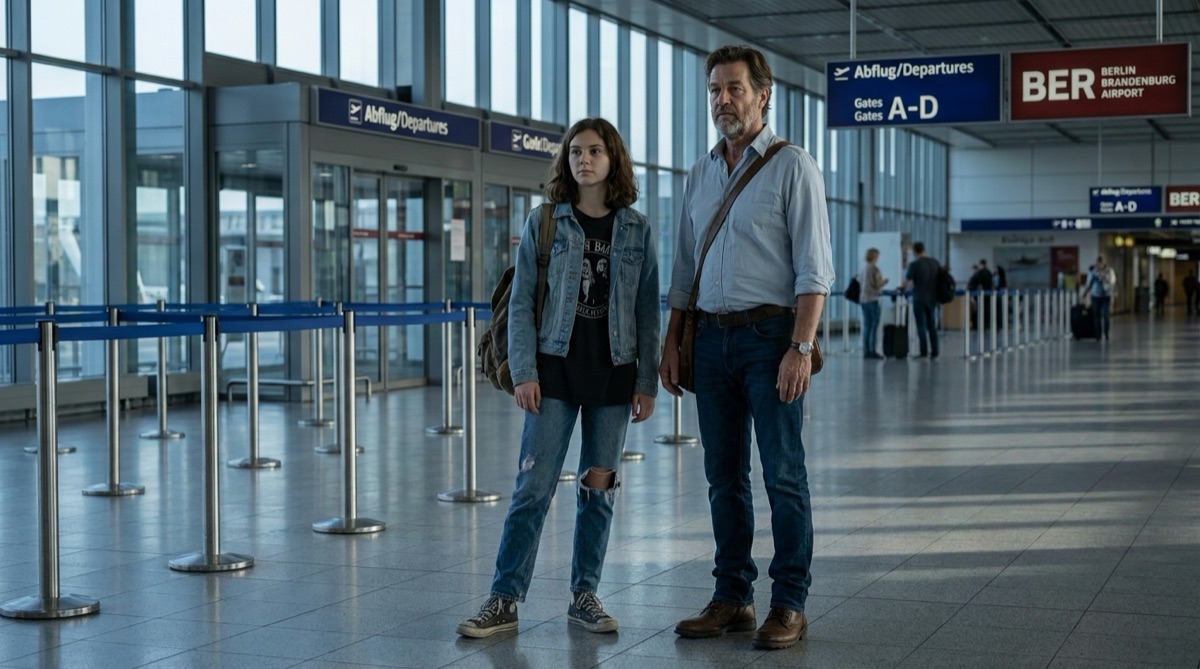
She flies home alone on August 20. Doesn't look back at the security checkpoint. Not because she doesn't want to. Because looking back would make it a sad story. It isn't.
Eight Chapters
The Air That Drinks You
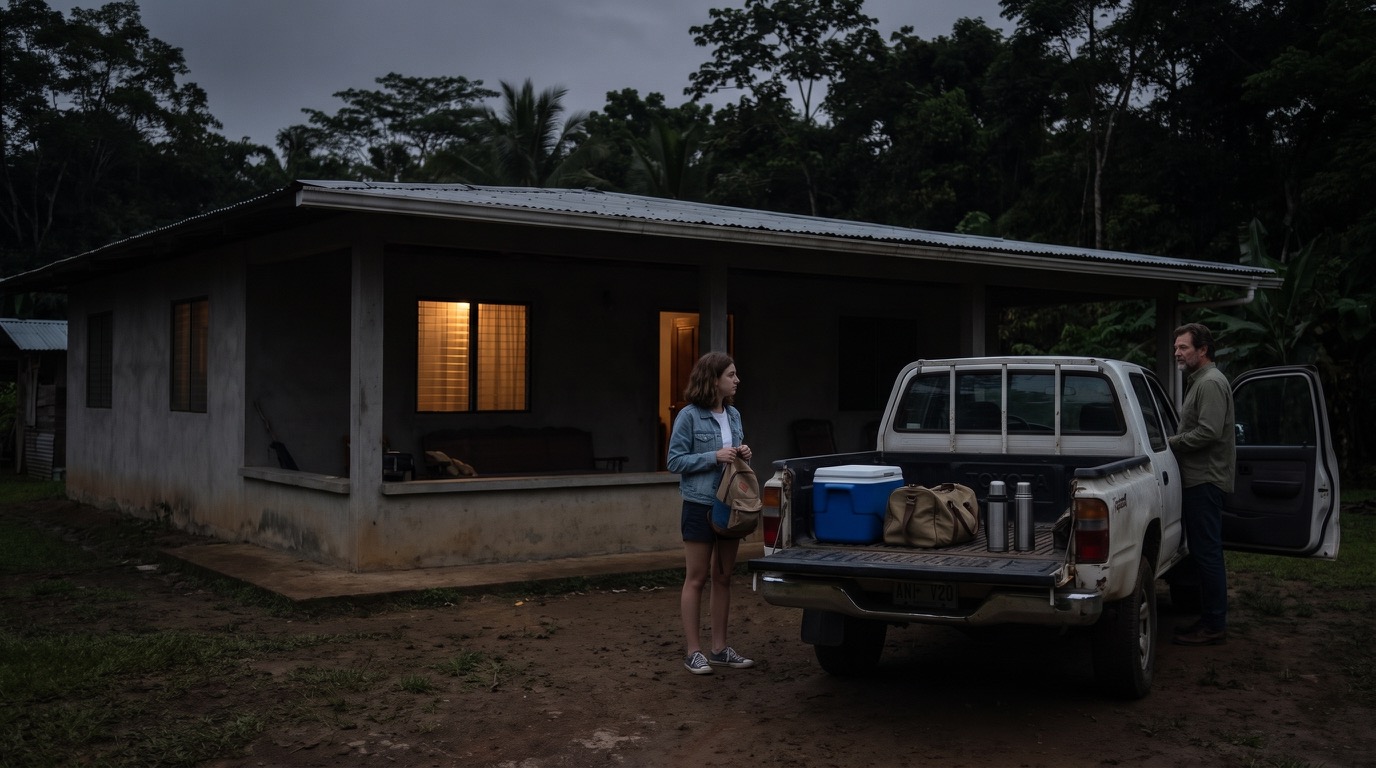
Berlin to Tocumen. The wall of heat. A truck that smells like horses. A finca at the end of a red-mud road. The potoo screaming in the night.
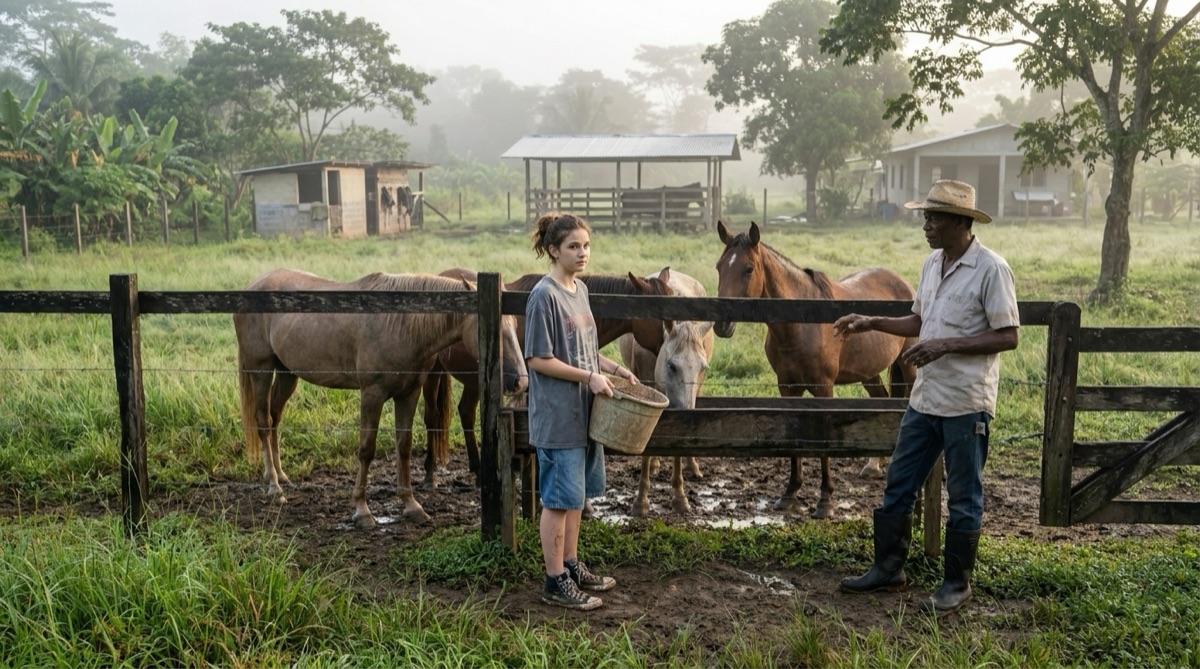
Mornings Start Before You Do
The daily rhythm. Esteban's quiet competence. Rosa's cooking and opinions. The education of learning to slow down.
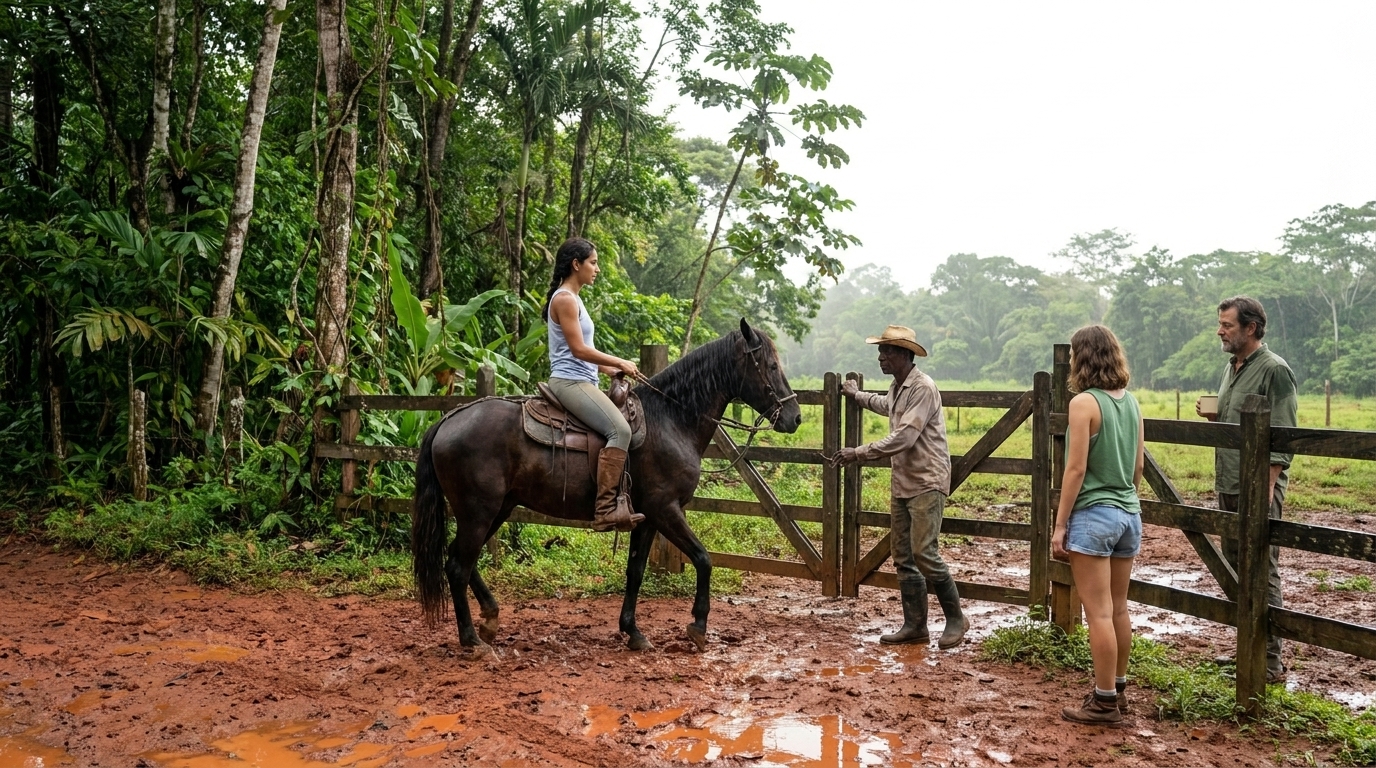
She Rides Like the Horse Owes Her Money
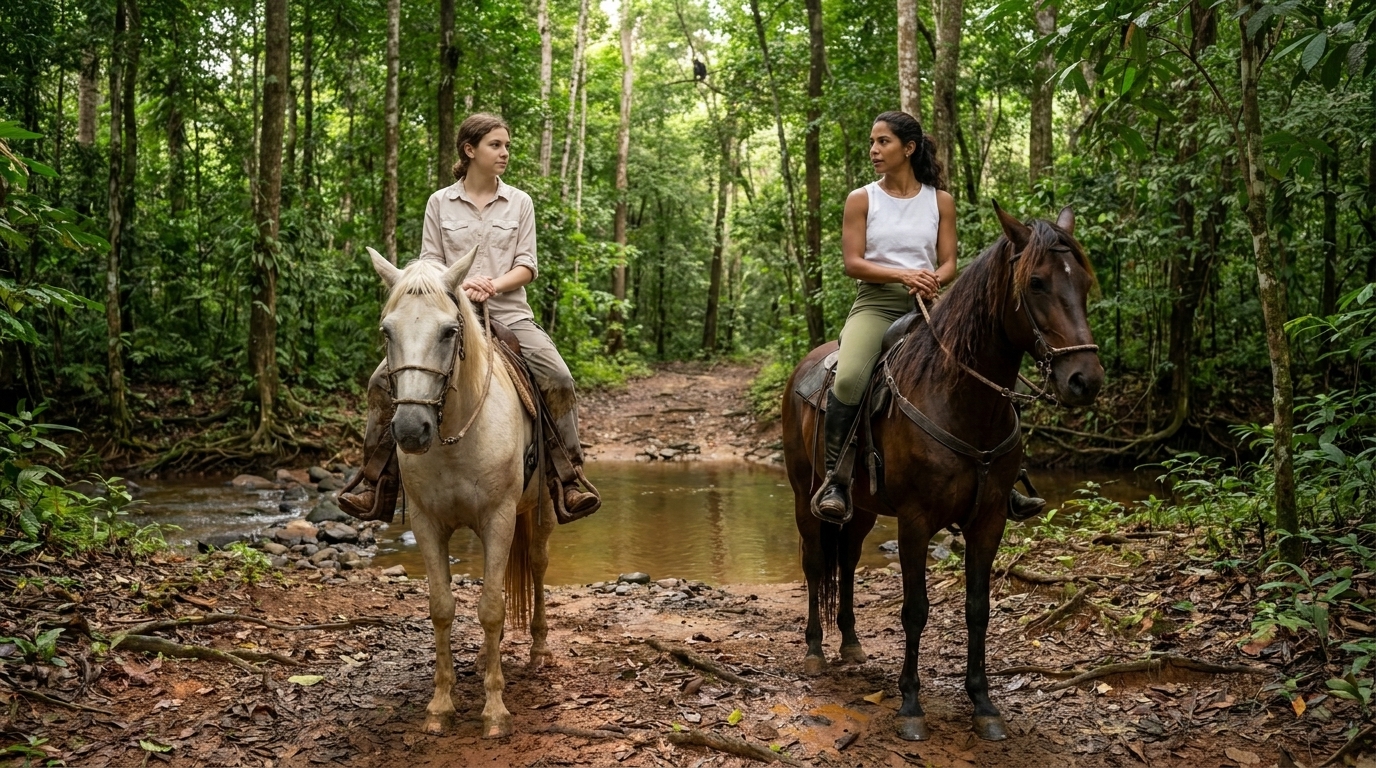
Valentina Sánchez arrives on horseback and changes everything. Forest trails, the Chepo market, and trust measured in hooves.
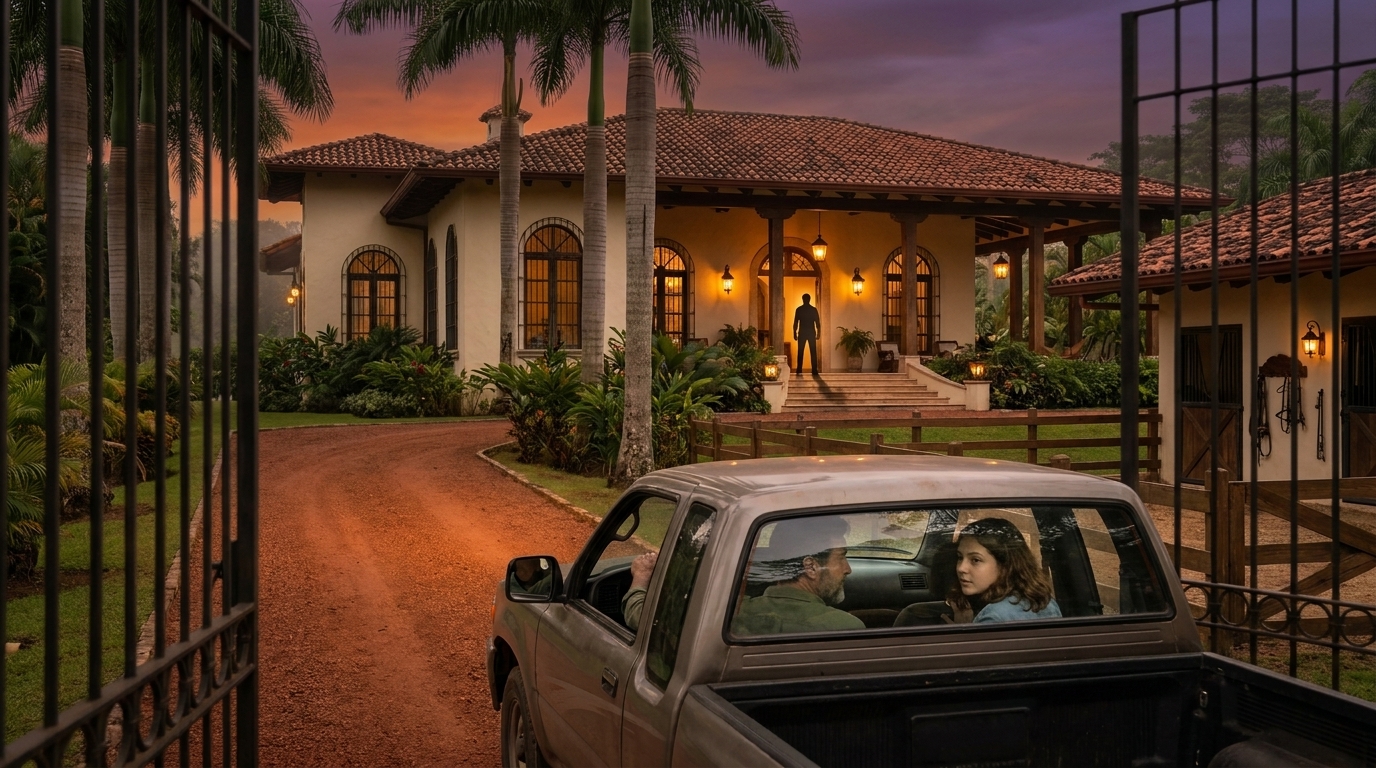
The Table That Tells You Everything
Dinner at the Sánchez estate. Old money, traditional food, two Ngäbe women who serve but don't sit. Sophie sees the layers.
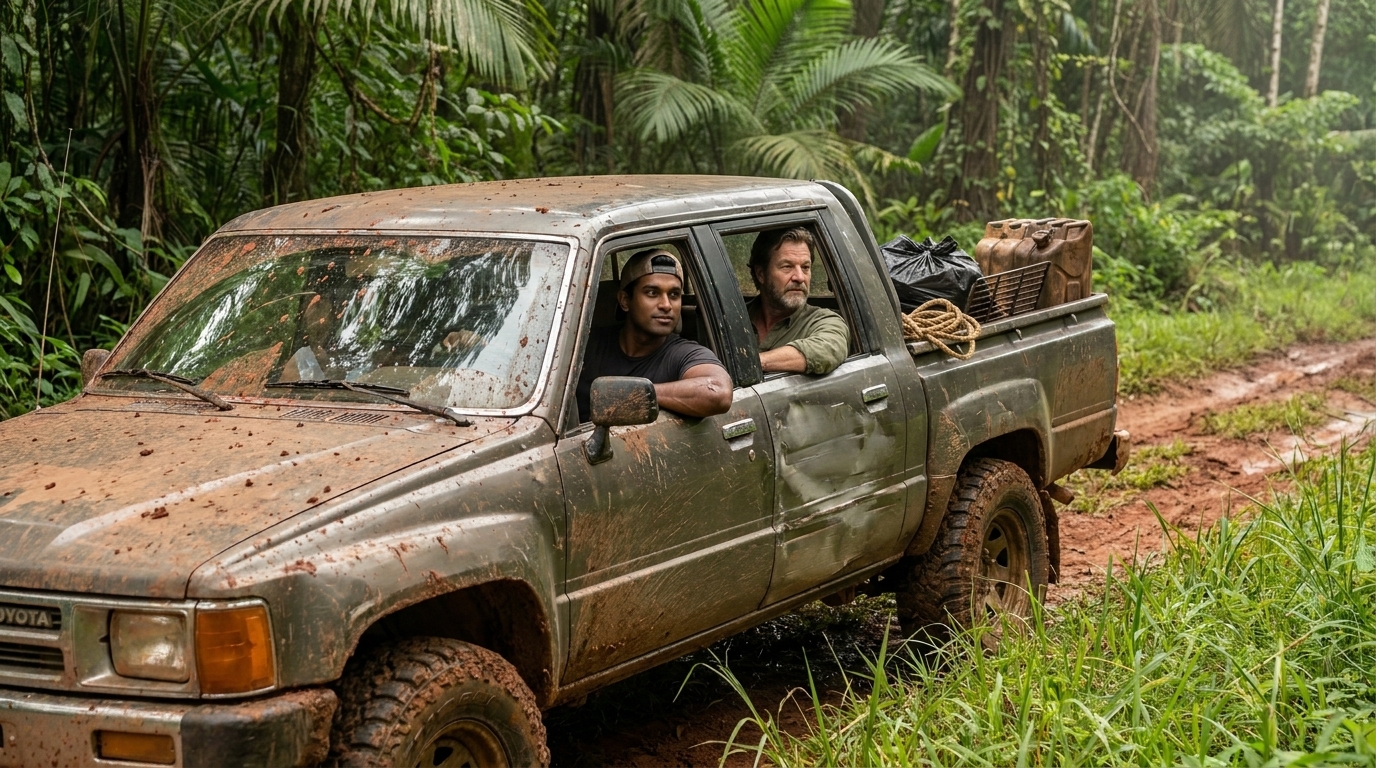
Where Roads Give Up
Offroading with Mateo. A jungle waterfall. Emberá fishermen on the creek with a dugout canoe. A dye that develops in the dark.
Three Ways to Understand a Country
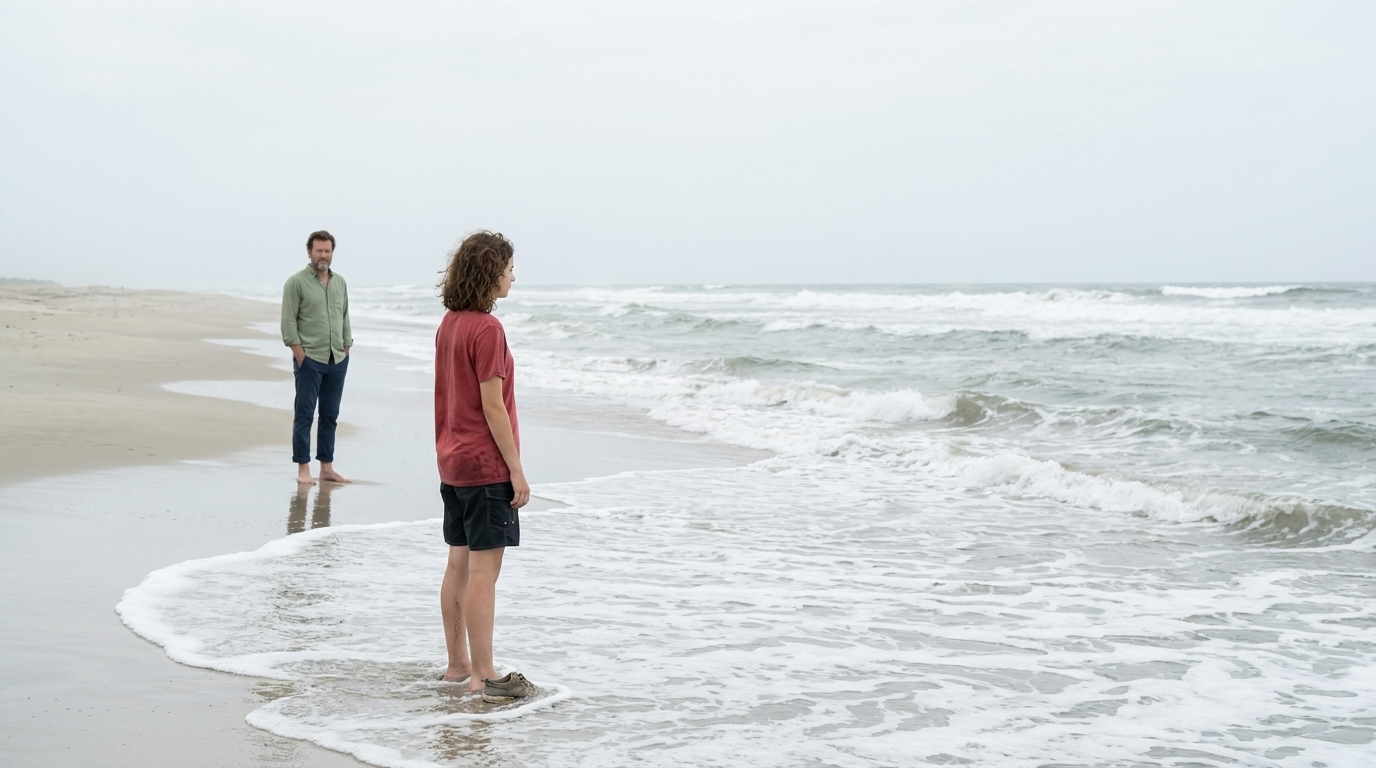
A beach BBQ on the Pacific. Coding with Stefan in the rain. The pollera dancers of Las Tablas. Body, mind, eyes.
What Valentina Knows
A morning on horseback, just Sophie and Valentina. A hard question asked without cruelty. The story Sophie inherited begins to loosen.
The Trail to the Other Valley
The full trail over the ridge with Mateo and Papa. A conversation that can only happen moving. Then the airport, and no need to look back.
The People
No villains. No consultants selling frameworks. Just people who populate Stefan's Panamanian life and the three weeks when his daughter entered it.
Sophie Richter
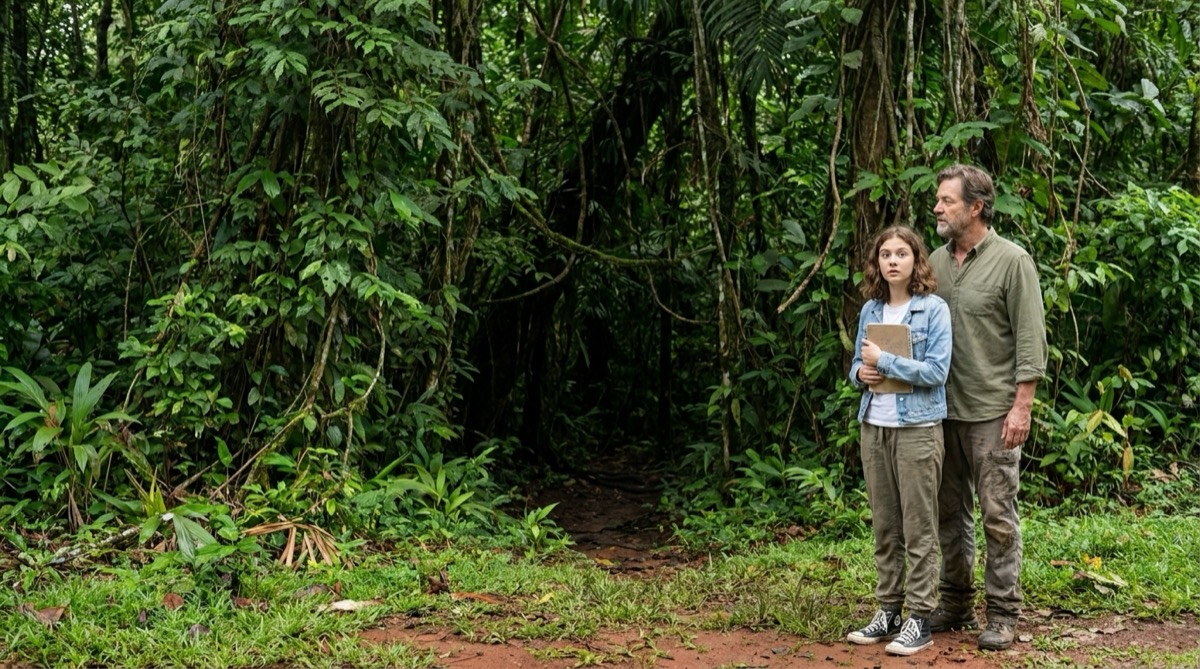
The narrator. Age 16.
Berlin teenager, direct and wry, seeing the tropics and her father's real life for the first time. Band t-shirts, worn Converse, a notebook she'd deny is influenced by Stefan's.
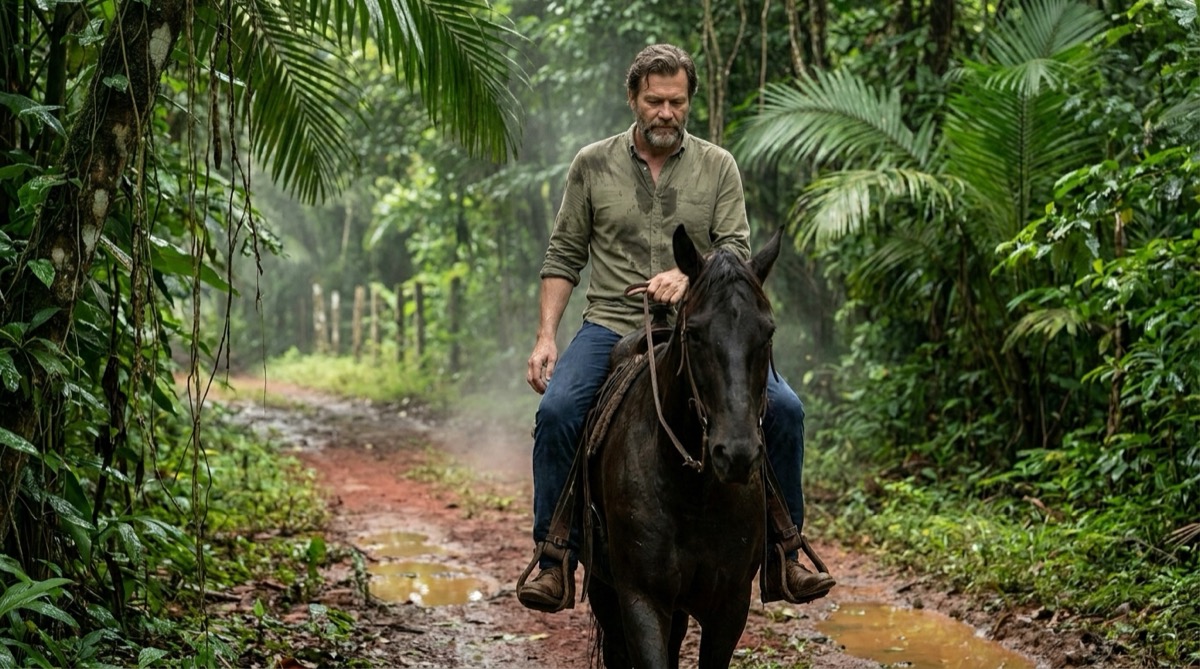
Stefan Richter
The father. Developer Advocate.
Different here than anywhere else. Slower, quieter, talking to horses in Spanish. Finally showing his daughter who he is instead of who he fails to be.
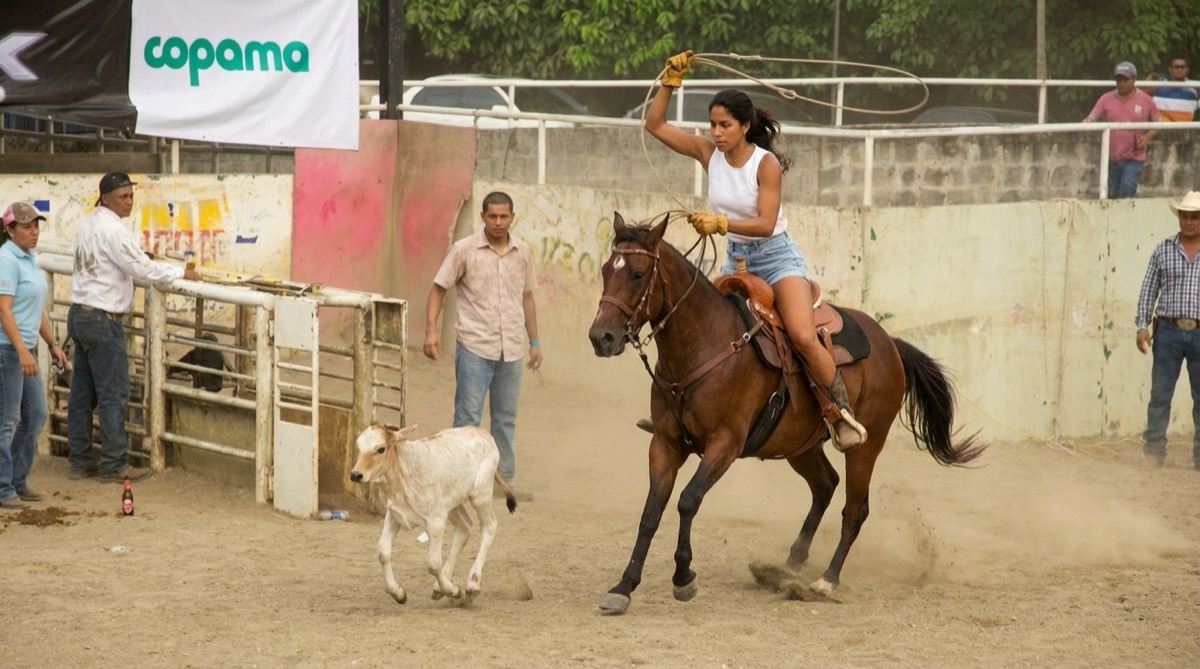
Valentina Sánchez
The amazona. Age 23.
Expert horsewoman, Don Ricardo's daughter, Sophie's guide to Panamanian culture. Confident, physical, warm. Everything Sophie wants to be at 23.
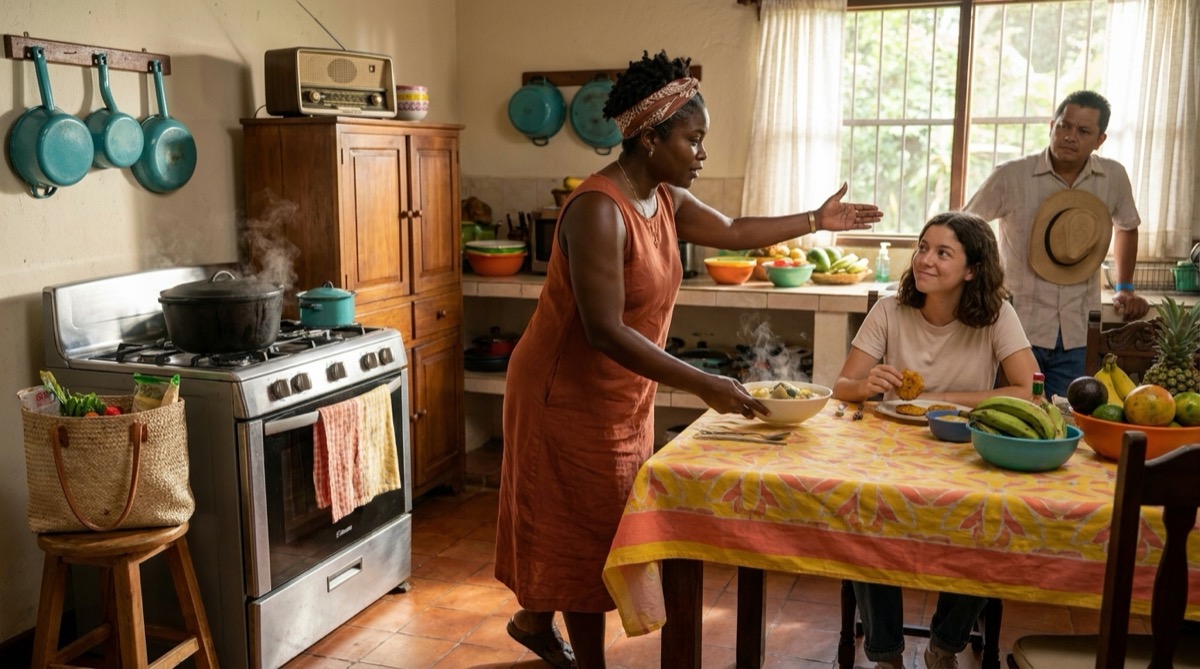
Rosa Ibargüen
The housekeeper.
Afro-Panamanian. Comes twice a week. Scolds Stefan. Feeds Sophie. Fills the finca with warmth, bright colors, and the sound of salsa from a kitchen radio.

Mateo Sánchez
The brother. Age 26.
Loud, dusty, perpetually amused. Drives a 4x4 through places roads have abandoned. Knows the Ngäbe families by name. Teases everyone within range.
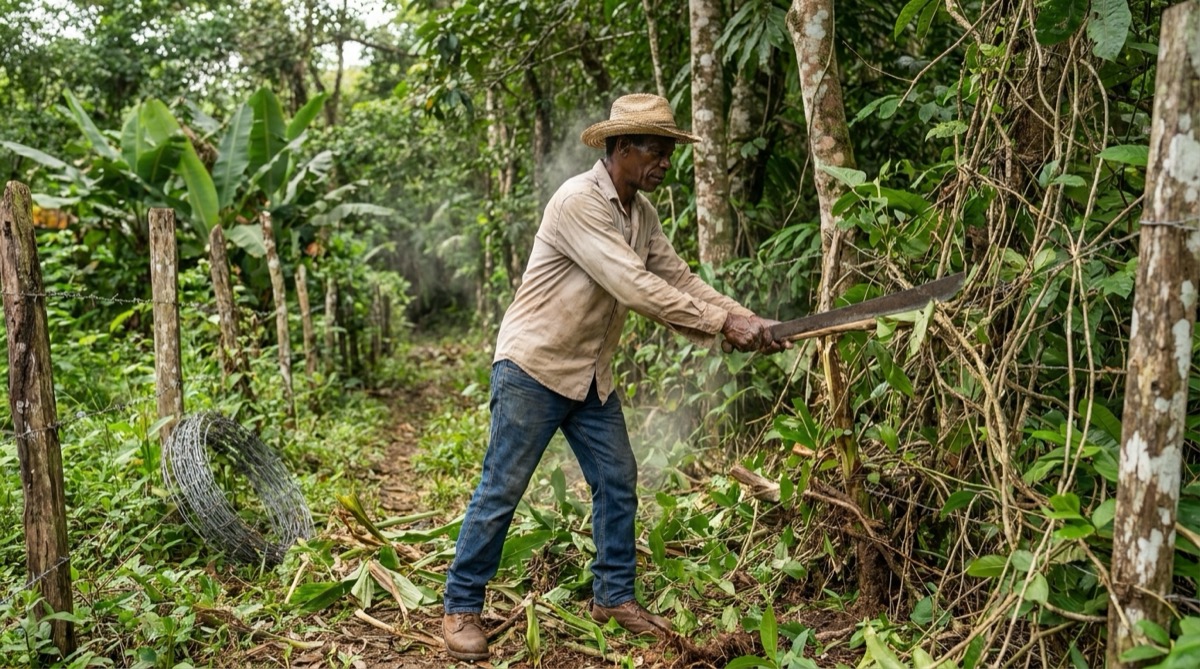
Esteban Morales
The caretaker.
Wiry, quiet, carrying a machete and decades of knowledge about every fence post and horse mood on the finca. Points. Sophie looks.
Panama Through Sophie's Eyes
This story is a love letter to a country most readers will never have visited. Not a travel brochure. Not an exotic backdrop for someone else's drama. Panama as Sophie experiences it: overwhelming, beautiful, contradictory, real.
The heat that sits on your chest. The green that eats roadside fences. The Pacific at sunset turning copper and purple. A Chepo market selling fruit with no English names. The pollera dancers of Las Tablas carrying centuries of tradition in hand-embroidered linen. Emberá fishermen moving through the forest on a creek in a dugout canoe, jagua patterns on their arms.
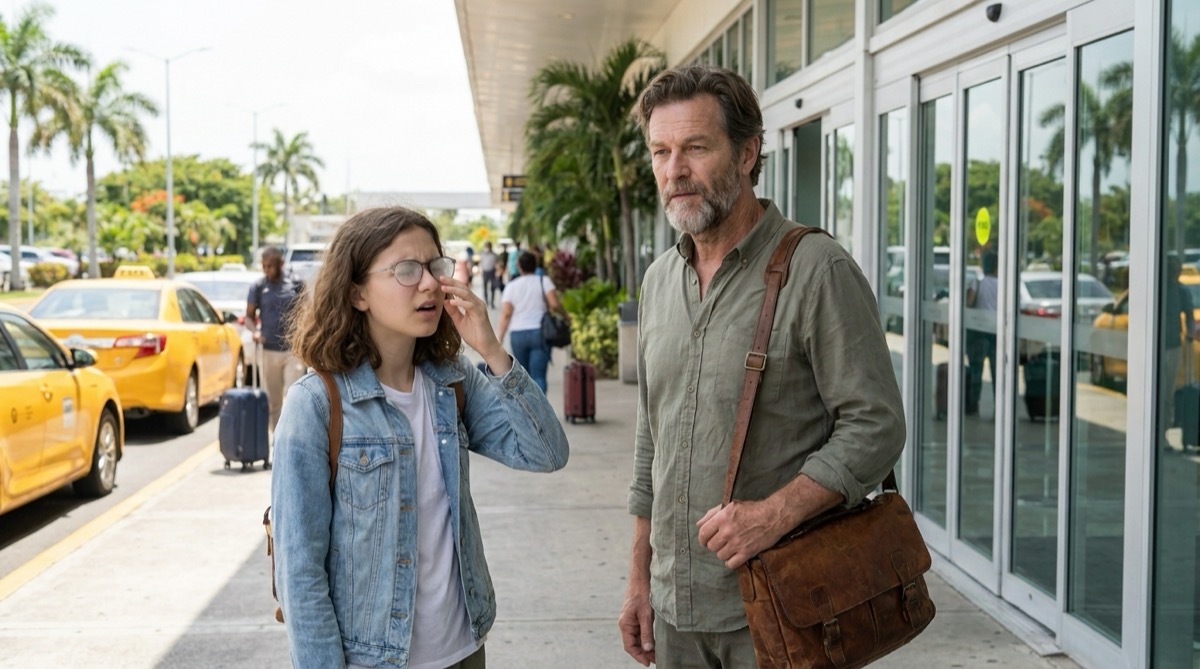
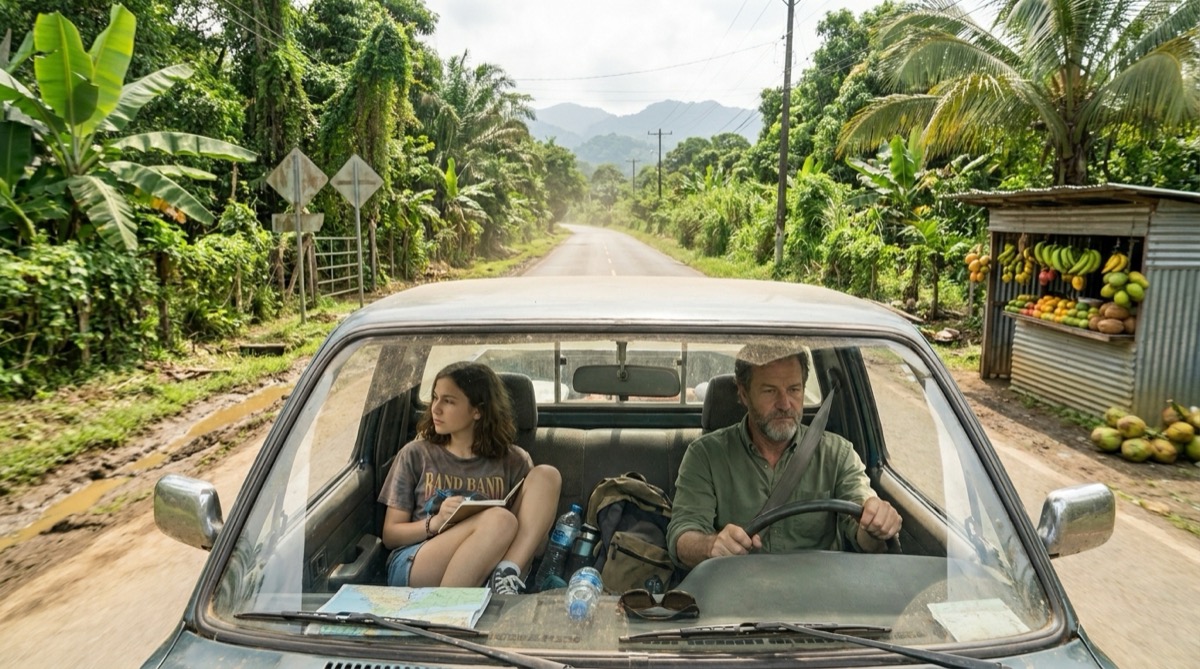
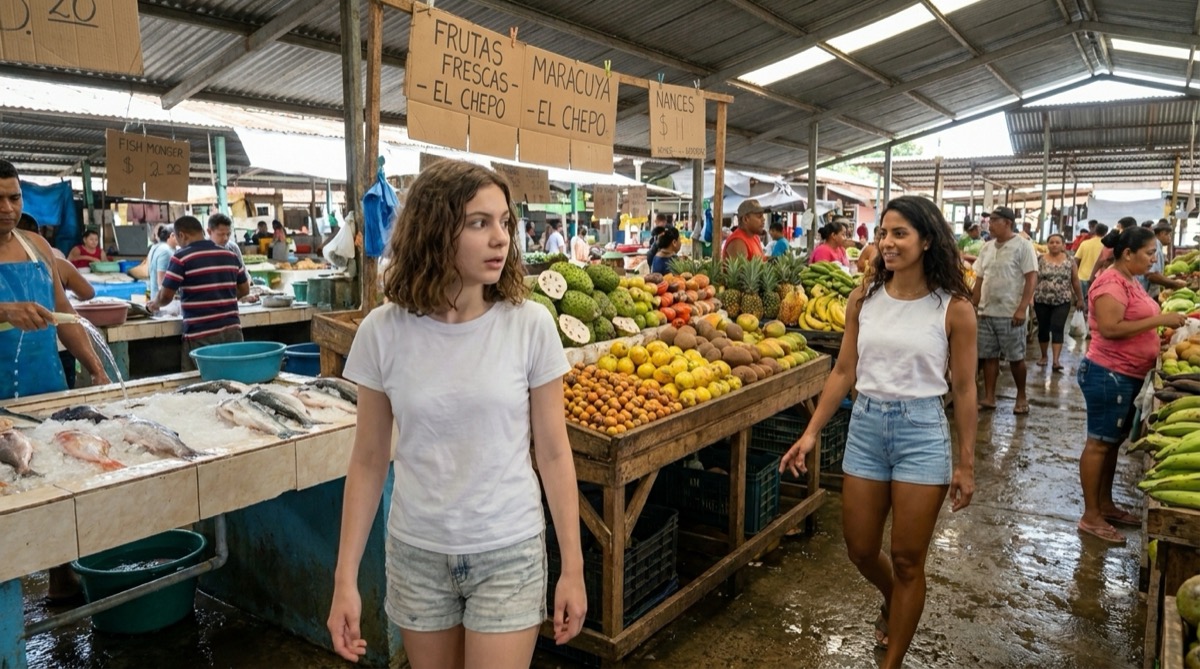
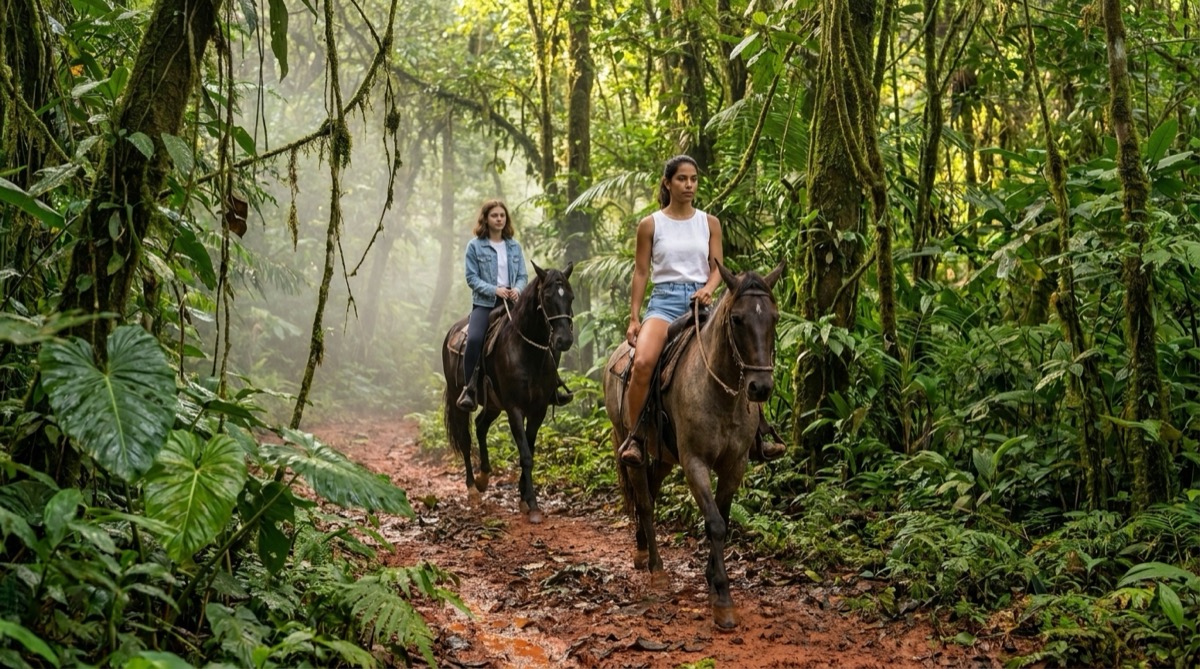
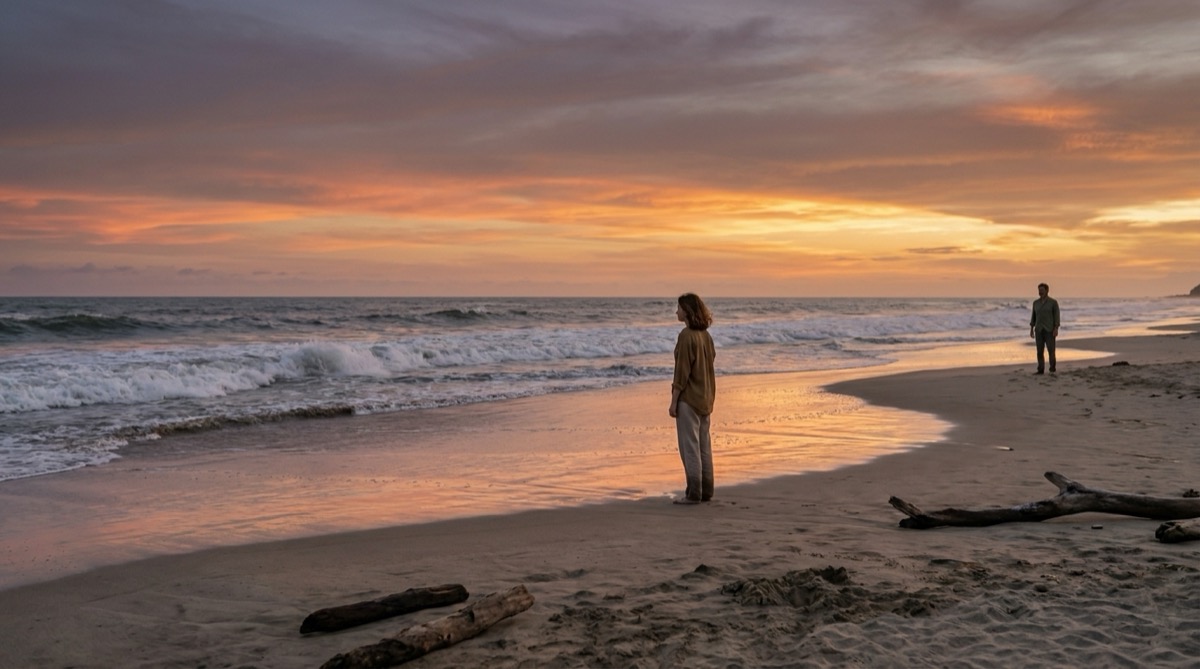
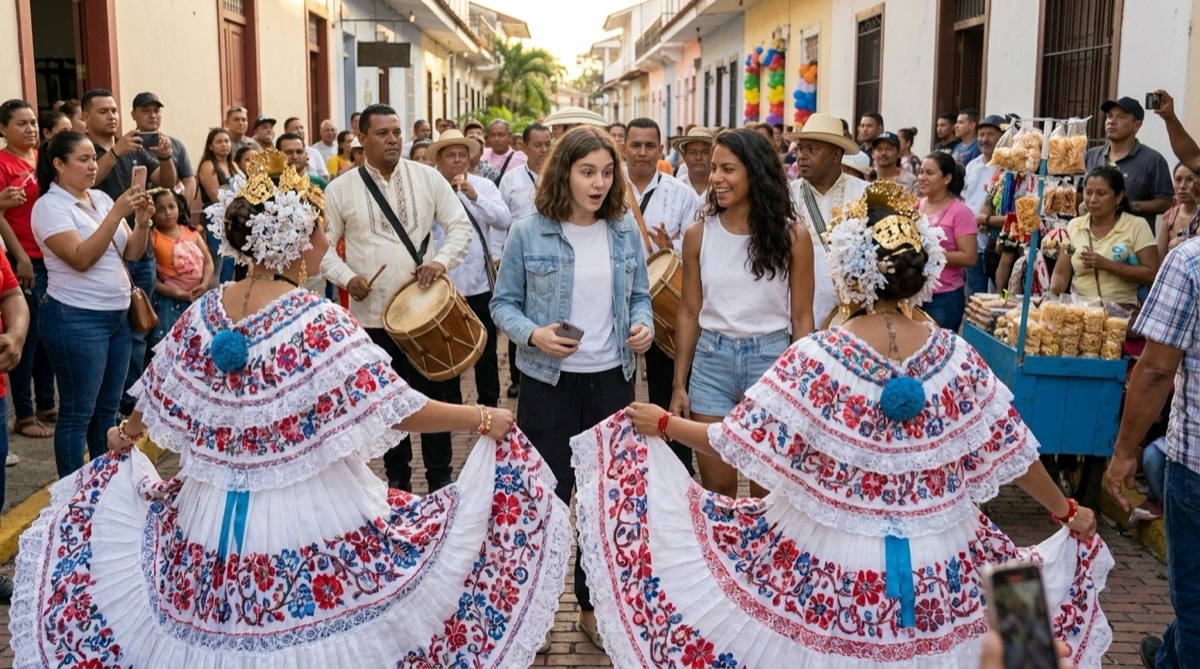
Sophie doesn't understand everything she sees. She's sixteen, not an anthropologist. She watches indigenous women serve dinner at a wealthy rancher's table and doesn't have the vocabulary for colonialism or class. She watches Emberá fishermen relaunch a dugout canoe and knows the moment matters before she knows how to explain why. The story trusts readers to see what Sophie stores for later.
A Different Kind of Story
Our telenovelas exist to expose organizational dysfunction through drama. They feature corrupt executives, framework salesmen, broken pipelines, and the human cost of bad governance. They're loud, passionate, explicit.
This story exists because the person who walks into those broken companies is also a father who hasn't been home enough. Because competence at work and failure at home live in the same body. Because the most interesting question about Stefan Richter isn't how he fixes organizations. It's whether he can sit still long enough to let his daughter see him clearly.
Three weeks. A finca. Five horses. A girl who doesn't look back.
Before and After Panama
These three weeks sit in the gap between two engagements. Just before, Stefan is untangling a Berlin gaming studio in Signal Through Noise. Just after, he flies to Brazil for Samba Dos Números. Panama is the quiet country in between — and the reason he keeps going back.