The Air That Drinks You
Sophie flies from Berlin to Panama for the first time and discovers that her father has a whole life she has only seen through screens. At Tocumen, the heat feels physical. On the road to Chepo, the country overwhelms her senses. At the finca, Esteban and five horses make the place real. At night, a potoo screams from the trees, and Sophie sends one short text home.
Berlin to Tocumen. The wall of heat. A truck that smells like horses. A finca at the end of a red-mud road. The potoo screaming in the night.
The Jacket
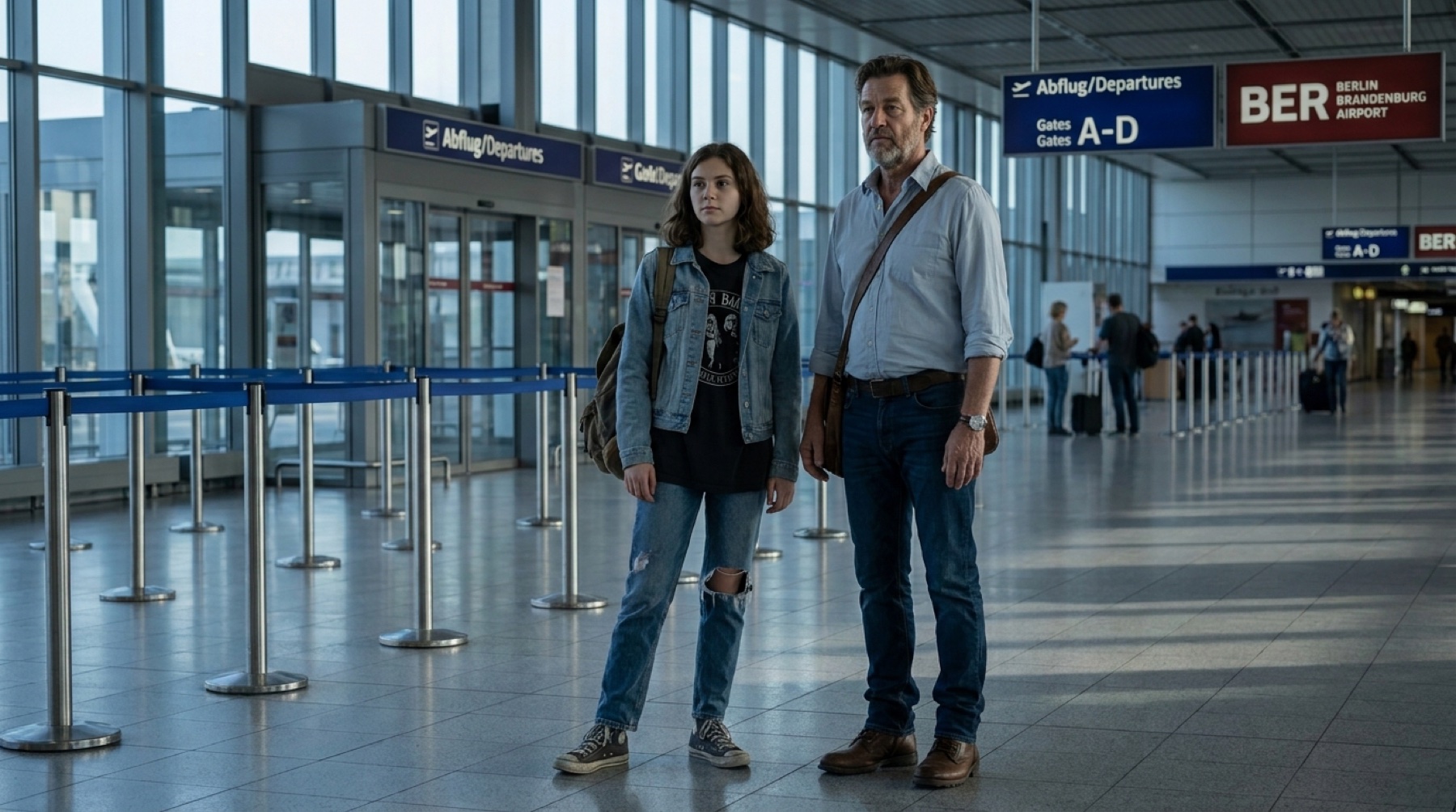
At Schönefeld, Papa buys me a bottle of water that costs more than lunch at school and says nothing about it. That is how I know he is nervous. Usually he notices everything: prices, exits, who is pretending to listen, who is already lying. Today he only checks our passports twice and the departure board three times.
On the long flight from Amsterdam, he reads a distributed systems book that looks designed to prevent joy. I pretend to watch a movie. We negotiate armrest territory like diplomats and do not mention that we are both too awake to sleep. Somewhere over the Atlantic I wake under a blanket I did not put there. He is still awake, staring past the seat in front of him.
I do not thank him. He does not ask. Sometimes we are very German.
The Wall
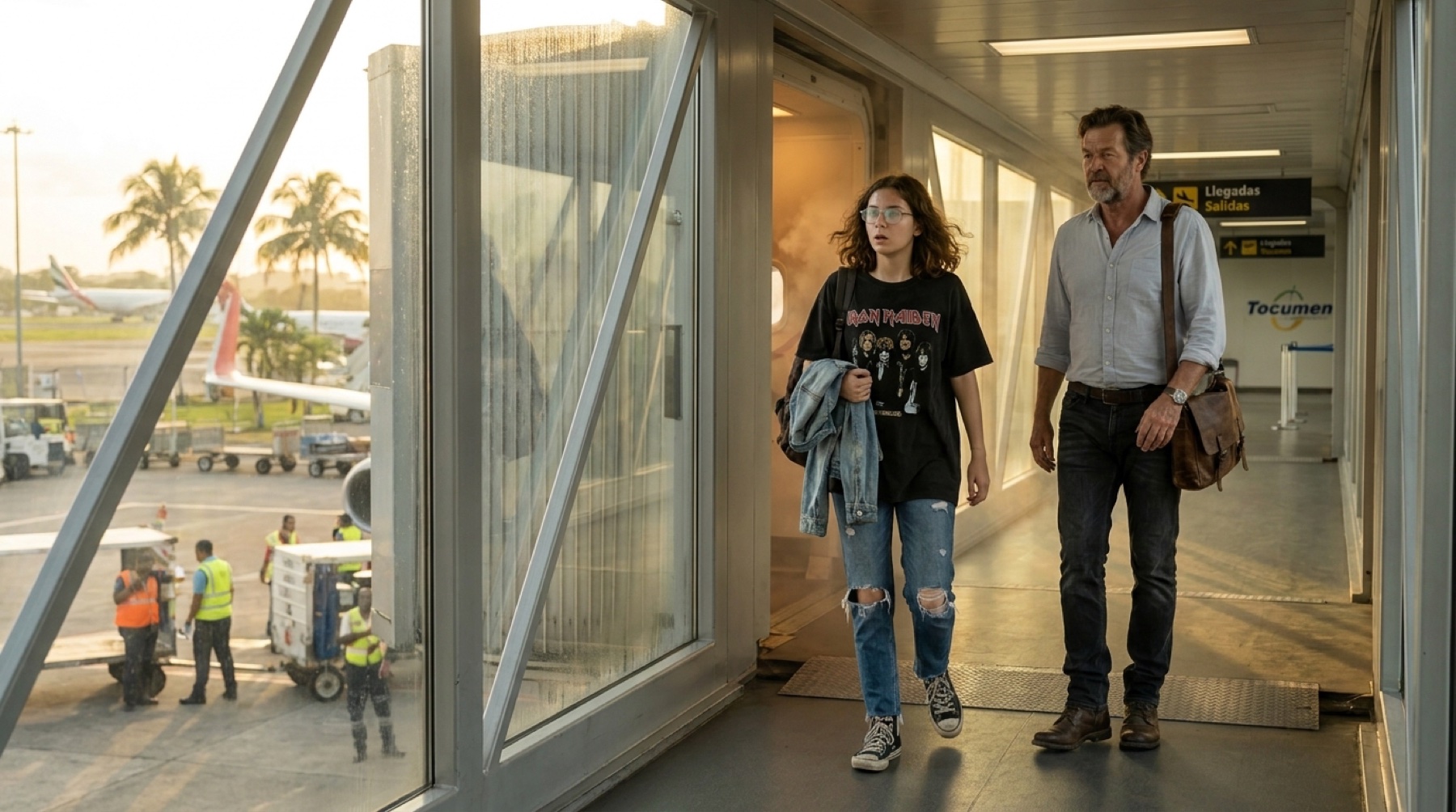
Panama arrives first as air.
The plane door opens and the heat walks in like it owns the aircraft. My glasses fog. My hair gives up immediately. My denim jacket becomes decorative luggage. Papa laughs under his breath and says, “Welcome,” like this is normal.
At immigration, my school Spanish collapses in real-time. Papa’s does not. He answers the officer without effort, and suddenly I am watching a version of him I only knew from muted calls through a guest-room door in Berlin. The officer stamps my passport. The sound is small. The feeling is not.
Outside baggage claim, the heat has weight. It smells like rain, fuel, and cut green things. Papa points to a pickup and says, “Truck is over there.” In Berlin he borrows practical cars. In Panama he owns mud equipment.
The Road East
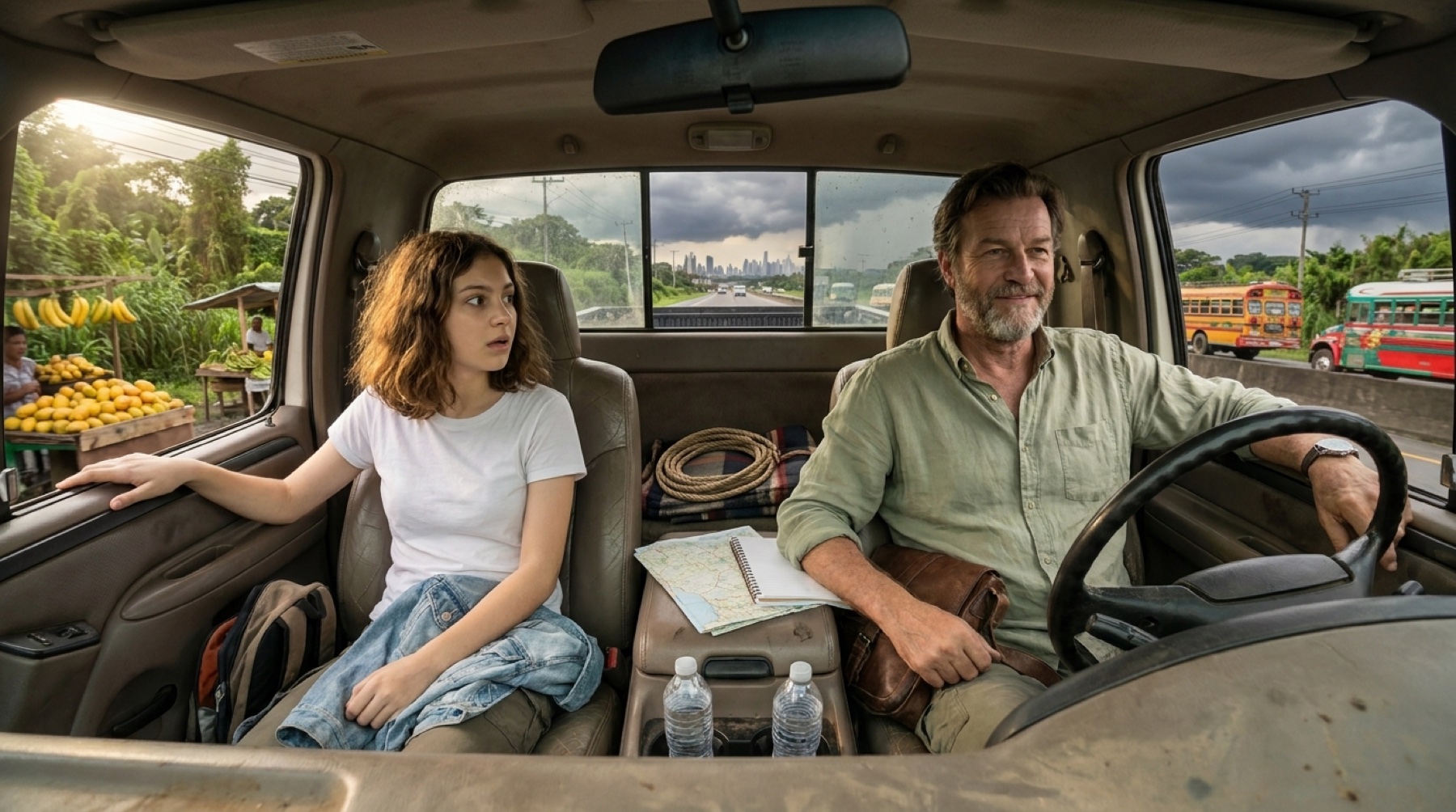
The truck smells like leather, dust, coffee, and horse tack. The cup holder has coins and a mysterious screw. The dashboard has a crack. None of it apologizes.
Papa rolls down the windows and says he wants me to “arrive properly.” The wind is hot and wet and does not cool anything. It just rearranges sweat. Through the city, then the suburbs, then farther east, I watch Panama turn from concrete into vegetation with ambition. Vines climb poles. Leaves swallow fences. Fruit stands flash by in colors I cannot name.
In Berlin, Papa always seems half-departed. Here he looks settled inside his own shoulders. He greets a man in Chepo with two fingers off the steering wheel, like this road knows him.
Then the paved road ends.
Don Stefan
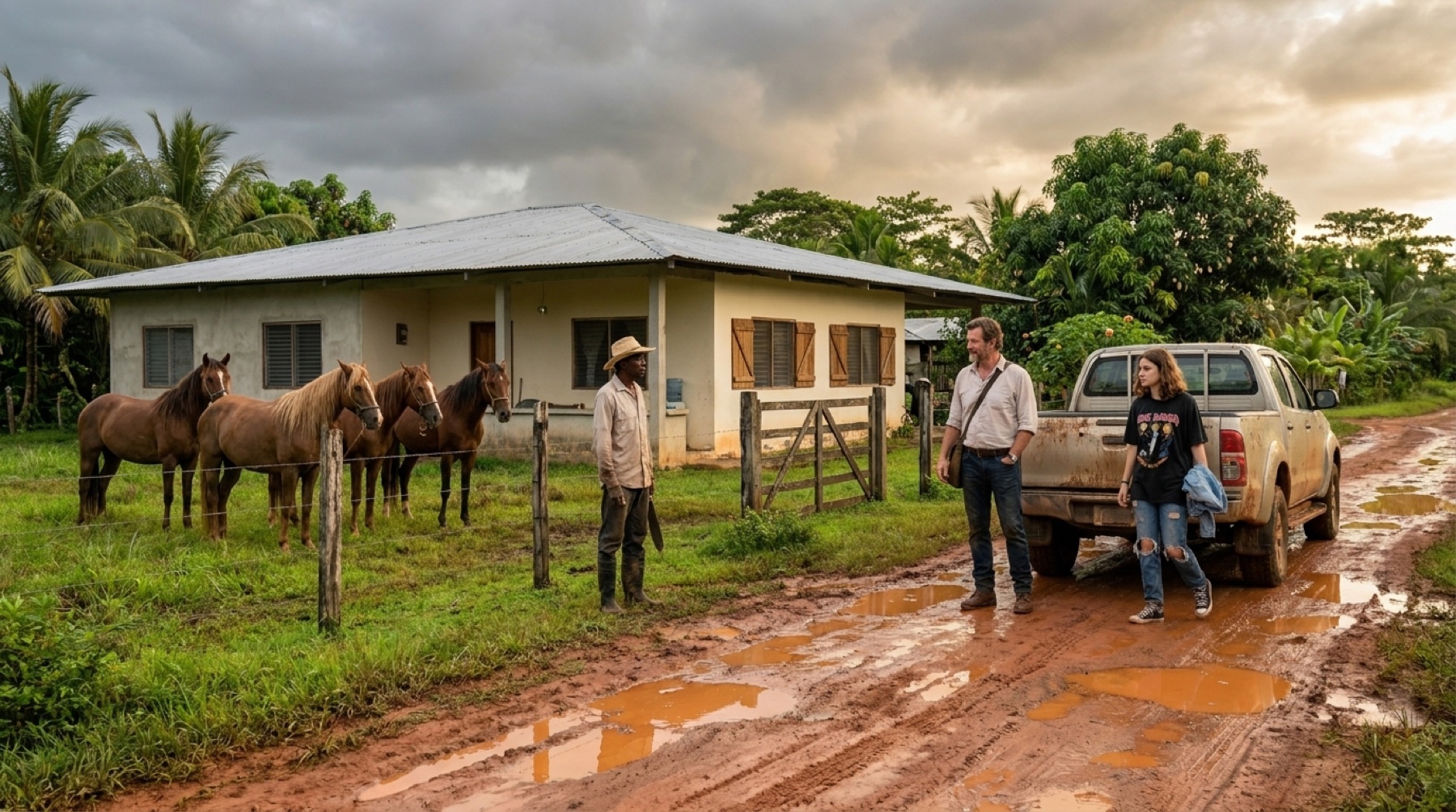
The red-mud road argues with gravity and almost wins.
At the end: a modest house with a terrace, practical windows, boots by the door, a hose waiting where someone dropped it mid-thought. No performance. No curated rustic fantasy. Just a place where someone lives when no one is watching.
Esteban is waiting by the fence in a straw hat and rubber boots, sun-cut face, hands built by tools. “Don Stefan,” he says. Papa answers like this greeting has happened a hundred times. Then: “Mi hija, Sophie.” Esteban tips his hat and says, “Bienvenida.” My “Gracias” arrives with a Berlin accent.
In the pasture behind him, five Peruvian Pasos stand still and look at us like they already know how this story goes.
The Night Has Teeth
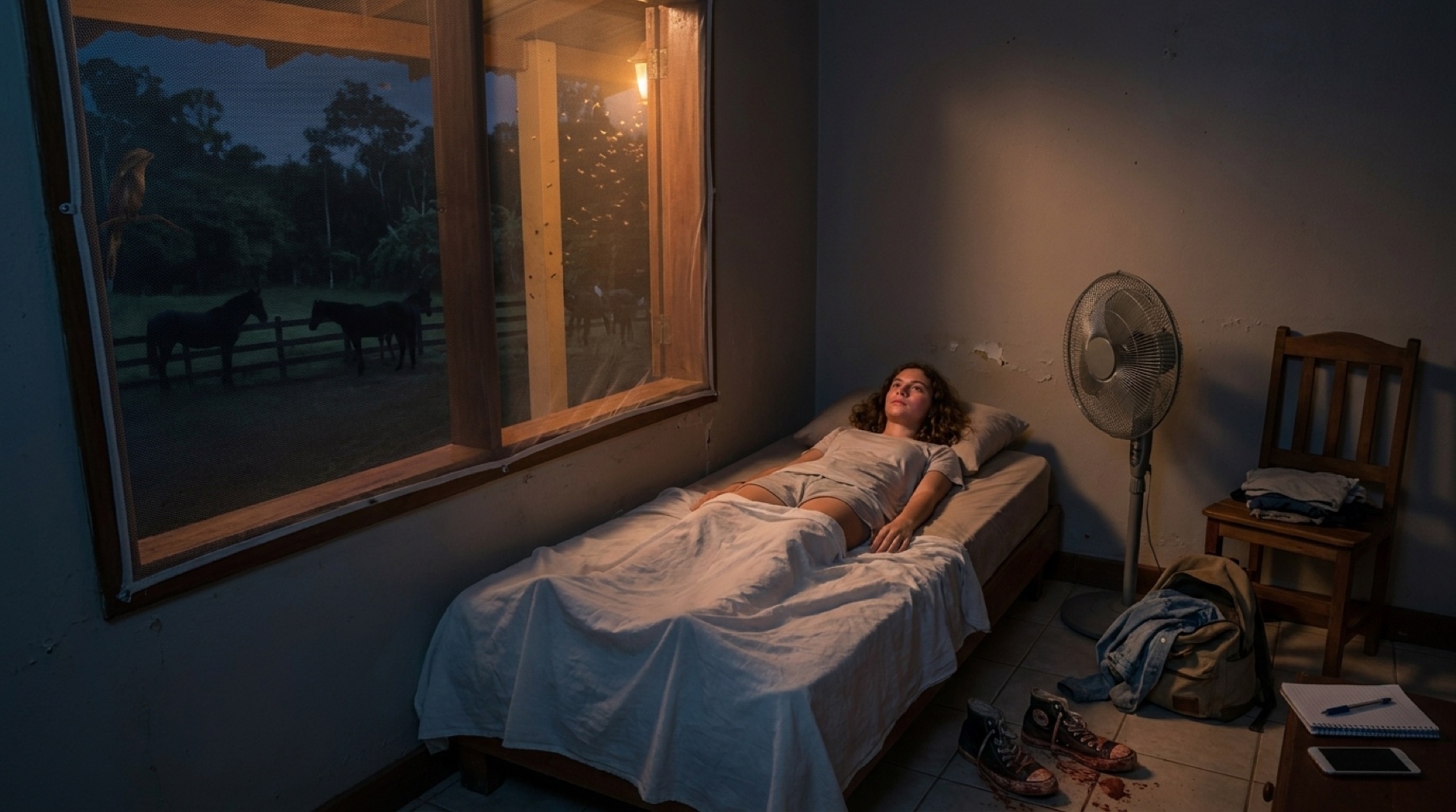
Inside, the house is plain and clean and useful. A desk by the window. Cables tied neatly. A fan that rattles in my room like a stubborn metronome. Rosa has left dinner: rice, beans, plantains, chicken. On the terrace, the insects throw themselves at the light while the pasture disappears into black.
The sounds at night are not background. They are architecture.
Then something screams in the trees.
I nearly drop my fork. Papa says, annoyingly calm, “Potoo.” He says “bird” the way people say “weather,” as if that explains everything.
Later, in bed, I text Mama:
Angekommen. Alles gut. Ist heiß. - S.
The fan clicks. Somewhere outside, the potoo screams again. Panama still has too much weight. But now it is not weightless.
🎭 This Week's Episodes
Telenovelas show what we can't say in client meetings. The drama is heightened, but the patterns are real.
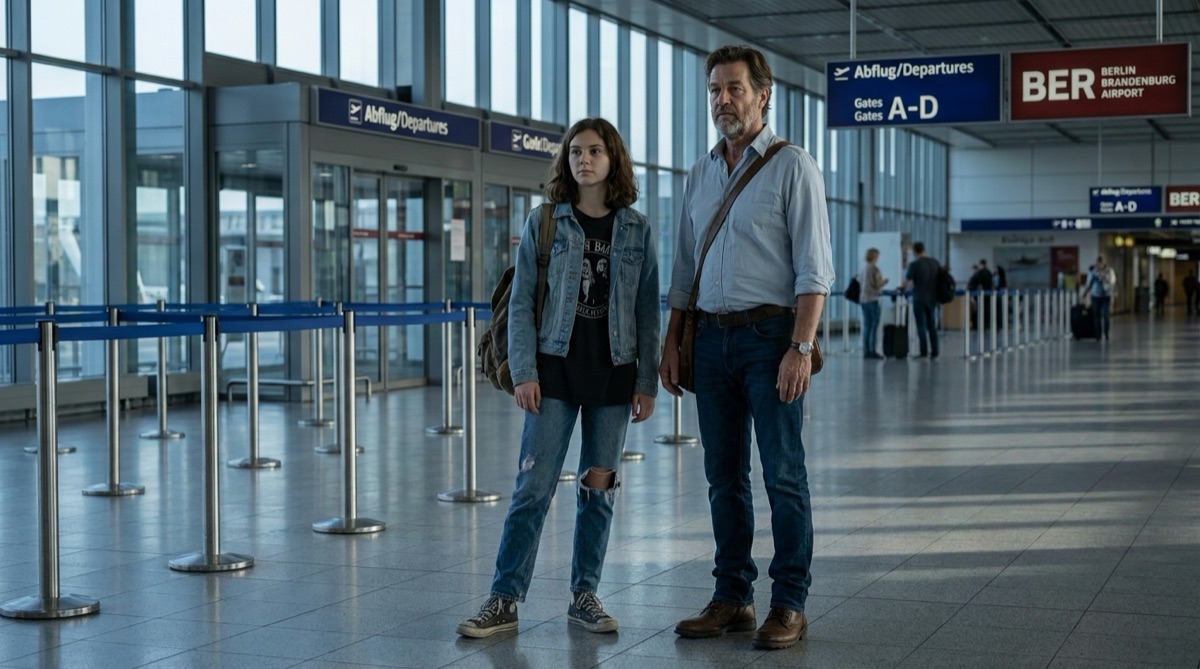 The Air That Drinks You
Sophie flies from Berlin to Panama for the first time and discovers that her father has a whole life she has only seen through screens. At Tocumen,...
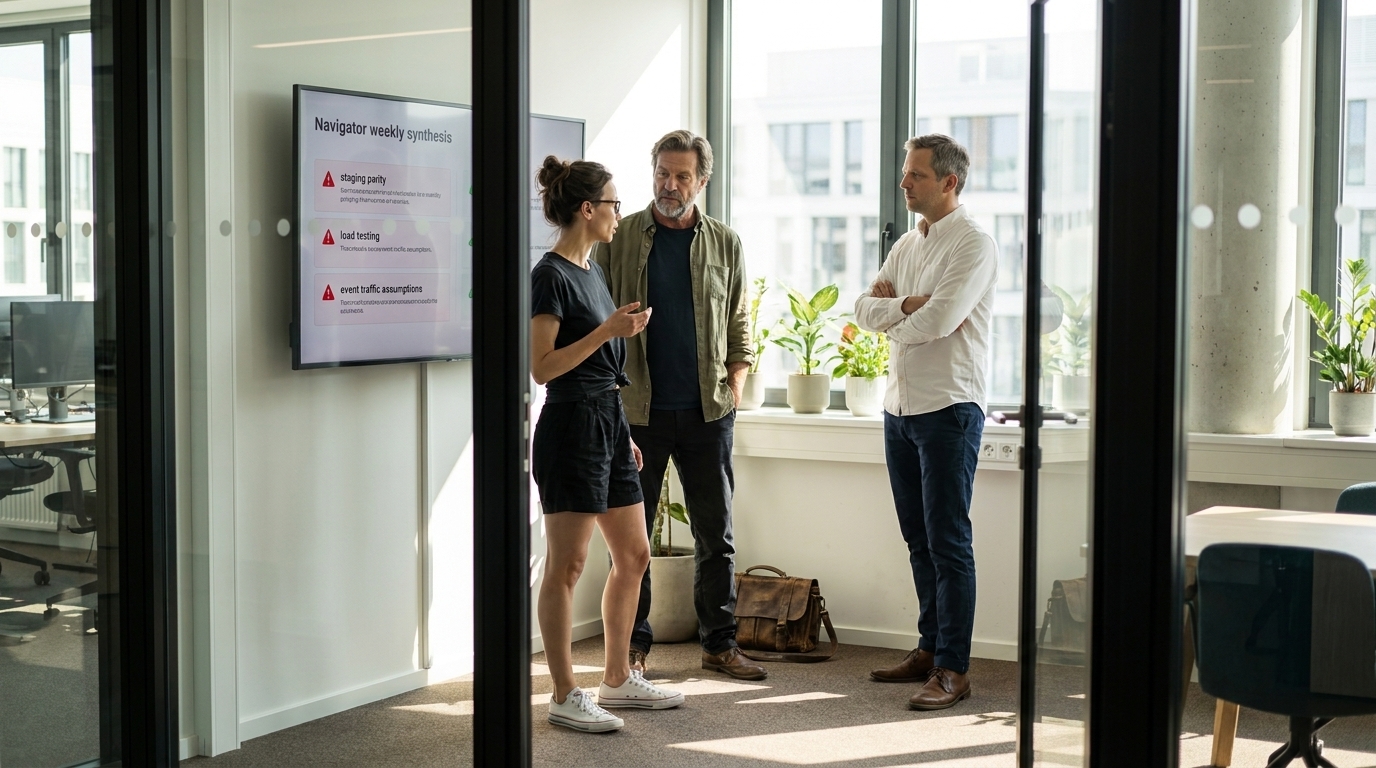 The Live Ops Disaster
Pixel Spree's summer event launches with no realistic staging environment and no load testing. Hassan's infrastructure cracks under traffic three t...
Technical Consultancy
Embedded Delivery Partner
Embedded into your team as an active contributor, reducing delivery friction and helping important work move cleanly.
Technical Advisor
Peer-style technical assessments before far-reaching decisions; reduce architectural and product risk early.
Product & Delivery
Ship working software to real users earlier. Measure impact and adapt based on evidence rather than assumption.
Custom Software Development
High quality, maintainable software. Short-term augmentation that leaves lasting capability in your own team.
Recent Articles
- AI Makes Great Developers Dangerous (08.06.2026)
- Why Staff Augmentation Misses Good Developers (05.06.2026)
- What CTOs Need From Consultants and Hands-On Experts (01.06.2026)
- AI Coding Agents Need XP (29.05.2026)
- Children of the Magenta Line (25.05.2026)