The LLM Will Not Come Back Tomorrow
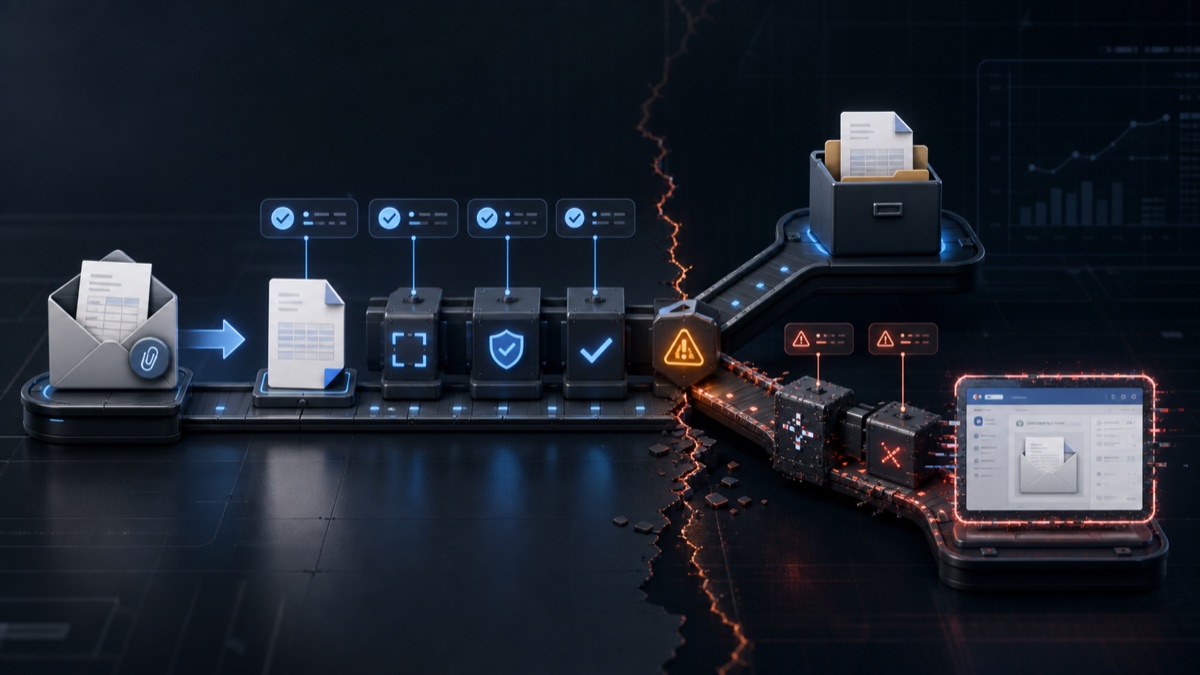
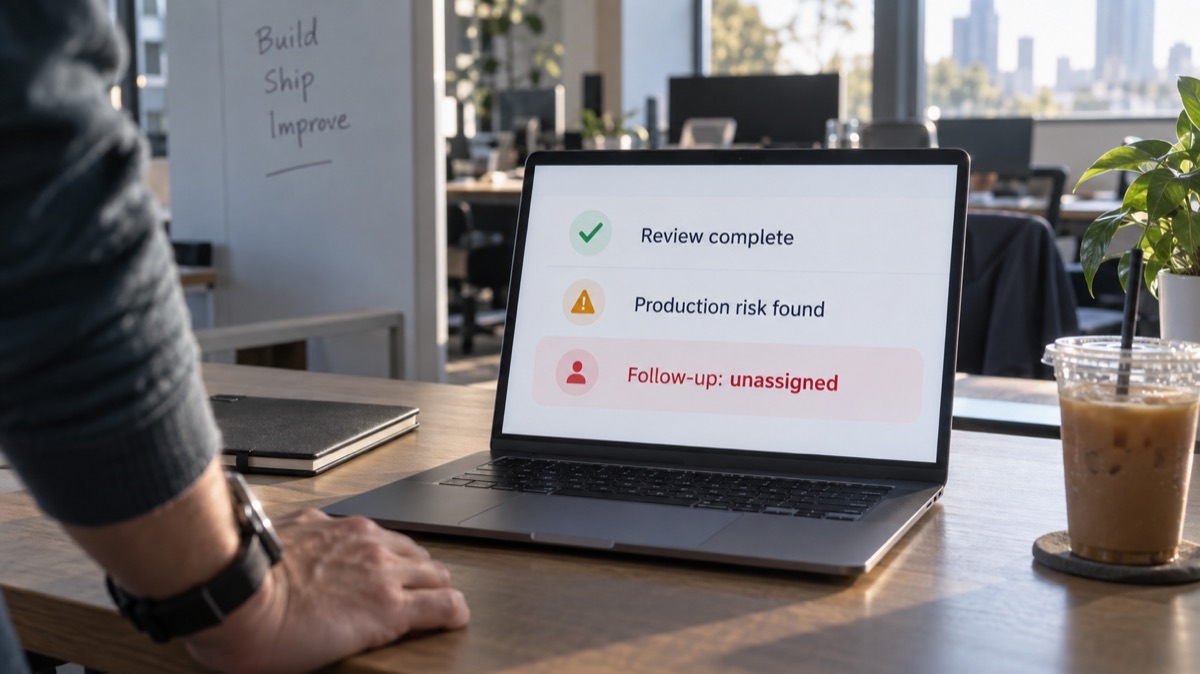
An LLM can flag a risk. Following it up tomorrow takes stored context, a trigger, and someone accountable for the out...
6 min read
11.05.2026, By Stephan Schwab

The obvious next question is: what does real AI look like for people who do not live in code editors, prompt templates, or workflow diagrams? It looks a lot less glamorous than the sales decks. It looks like practical help with the small ugly tasks that pile up, steal attention, and quietly eat the day.
We covered the first half of the problem in the earlier piece on why a chatbot is not an AI strategy. The next part is less flashy and more important.
That is the first thing the market still gets wrong.
Normal business users do not wake up hoping to “experience agentic productivity.” They want to answer customers faster, turn meeting notes into actions, draft a decent reply in the right tone, create a usable graphic without chasing a designer, understand a document, and stop forgetting follow-ups.
That is not a lesser use case. That is the real one.
The tech industry keeps talking as if AI matters only when it looks futuristic. A glowing chatbot. A heroic agent. A dashboard full of synthetic confidence. Meanwhile, the daily burden in small businesses, customer-facing teams, and overloaded operations is painfully ordinary. Messages pile up. Notes get lost. Tasks fall between tools. Work gets delayed because nobody has time to turn rough input into finished output.
If AI cannot help there, then the rest is mostly theater.
That is exactly why we built Nilo Assistant.
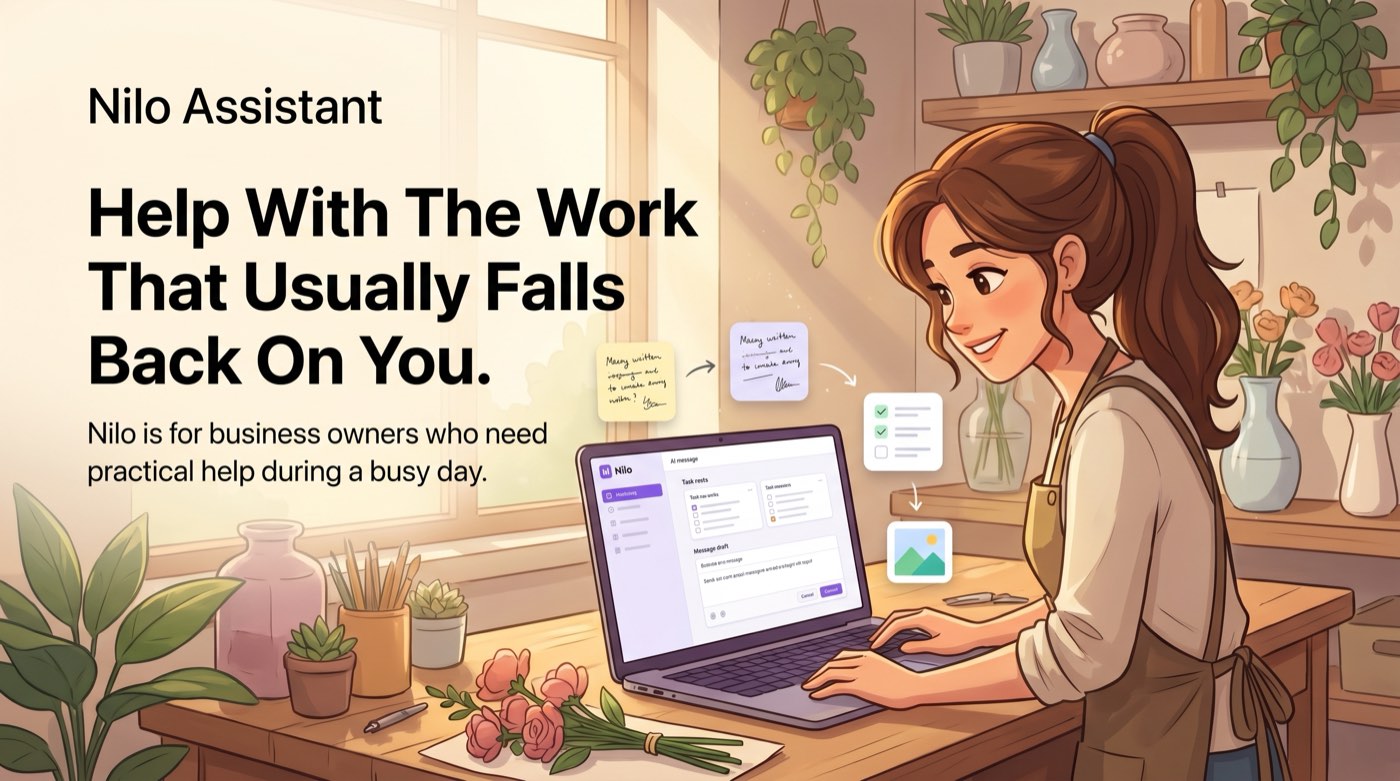
Not for people who want to admire a demo. For people who need practical help during a busy day.
Nilo is built for business owners and teams who need to reply to customers, summarize notes, draft proposals, translate business messages, explain documents, create visuals, and keep work from slipping through the cracks. Not by learning a complex new system. Not by becoming prompt specialists. By saying what they need in plain language, the way they would ask a competent person sitting nearby.
That matters because most software still assumes the user will adapt to the tool. Nilo goes the other way. The system adapts to how people already express work: rough notes, half-finished thoughts, scattered tasks, incoming messages, project fragments, and context that lives in language rather than in perfectly structured forms.
That is where current AI is actually useful for normal people. Not as spectacle. As translation between messy human input and usable business output.
Look at the kinds of things people ask Nilo to do:
None of that sounds like science fiction. Good. Science fiction was never the goal.
The point is that each of these tasks sits in the gap between rigid software and human work. Traditional tools are usually too narrow. They demand structure too early. They expect the user to know which app, which field, which sequence, which format, which button.
Human work is not that clean. People start with fragments. “Can you draft this?” “What does this mean?” “Turn this into something I can send.” “Make me an image for this campaign.” “Remind me Friday.” That is the real interface. Language first. Structure later.
A website chatbot usually lives at the perimeter. It greets visitors. It answers basic questions. It may route a lead or reduce some repetitive support traffic. Fine.
But Nilo is aimed at the work that usually falls back on the owner, the assistant, the office manager, the operations person, or the overloaded team member who ends up carrying the coordination burden nobody formally assigned.
That is a completely different proposition.
The question is not whether the software can chat. The question is whether it reduces friction in the actual workday. Does it shorten the distance between incoming mess and usable output? Does it help someone finish more of the work that would otherwise linger half-done? Does it make a small business feel more organized without adding another system to babysit?
That is the standard that matters.
The previous article explained that models are stateless and that the apparent “agent” comes from the software around them. The same is true here.
Nilo works because the model is only part of the system. The rest is ordinary product work: storing context, organizing work by project, handling user accounts, keeping interactions coherent, shaping outputs, managing assets, and building a surface simple enough that people can just ask for help without reading a manual.
This matters because real AI products do not escape software design. They depend on it. If the surrounding product is clumsy, the AI feels clumsy. If the workflow is fragmented, the AI inherits the fragmentation. If the experience forces users to think like the system, adoption dies.
That is why the hard part is not “adding AI.” The hard part is designing a product where AI makes ordinary work easier without making the user manage the machinery behind it.
This is the standard we used.
Can a busy business owner open the tool and say what they need in normal language? Can the system help without demanding a course, a certification, or a consultant? Can it reduce mental load instead of adding a new one? Can it make the business feel more responsive, more organized, and less brittle?
That is a much harsher test than a launch demo. It is also the one that matters if you are building for real people instead of conference slides.
This is another place where the hype misses the plot.
Real adoption often comes from systems that do one practical thing well, then gain adjacent skills over time. In Nilo’s case that means practical day-to-day help first, then broader support such as email handling, bookkeeping help, calendar integration, and other skills that belong close to the work people already do.
That path looks less dramatic than the usual AI marketing. It is also how trust gets built. Capability by capability. Skill by skill. No mystical leap required.
The market keeps promising artificial employees. We are more interested in building useful help for actual humans.
That is a smaller claim. It is also the honest one.
Tell me what is happening. I listen, ask a few practical questions, and reflect back what I see: where the risk may sit, what may be blocking delivery, and what looks worth checking next. No pitch, no obligation. Confidential and direct.
Talk it through. Practical reflection, no pitch.
Start a ConversationTelenovelas show what we can't say in client meetings. The drama is heightened, but the patterns are real.
 Stefan's Progress, Klaus's Report
Stefan turns one working radio fix into momentum across climate control and navigation: test first, flash fast, prove it on real hardware. Then Kla...
 The Scattered — Part One
The collapse of Whitaker Payroll means something different in every household it touches. Olivia Parker and Ryan Mitchell step into sane new jobs w...
Embedded into your team as an active contributor, reducing delivery friction and helping important work move cleanly.
Peer-style technical assessments before far-reaching decisions; reduce architectural and product risk early.
Ship working software to real users earlier. Measure impact and adapt based on evidence rather than assumption.
High quality, maintainable software. Short-term augmentation that leaves lasting capability in your own team.
Visibility and hands-on delivery
Navigator gives your leadership clear insight into patterns, blockers, and capacity. Our Embedded Delivery Partner writes production code with your team and gets delivery moving.